

- Understanding Backdrop Fundamentals
- Essential Backdrop Materials and Types
- Muslin Backdrops: The Professional Standard
- Seamless Paper: Clean and Crisp Results
- Vinyl and PVC: Durability Meets Practicality
- Creative Backdrop Setup Techniques
- Layered Backdrop Configurations
- Curved and Infinity Backdrop Systems
- Color Psychology in Backdrop Selection
- Lighting Integration with Backdrop Design
- Background Separation Techniques
- Colored Gel Applications
- Frequently Asked Questions About Studio Backdrops
- Advanced Creative Applications
Understanding Backdrop Fundamentals
The foundation of exceptional studio photography lies in mastering backdrop fundamentals. Professional photographers recognize that backdrops serve as more than mere backgrounds—they function as compositional anchors that influence mood, depth, and visual narrative. Understanding the interplay between subject and backdrop creates opportunities for transformative imagery that transcends ordinary documentation.
Backdrop selection demands careful consideration of several pivotal factors. Color temperature, texture variance, and reflectance characteristics directly impact the final image quality. Seamless paper offers pristine uniformity, while textured fabrics introduce tactile elements that enhance visual interest. The dichotomy between matte and glossy surfaces presents photographers with diverse creative possibilities.
Studio dimensions significantly influence backdrop effectiveness. Expansive spaces accommodate larger backdrop installations, enabling full-body portraiture and elaborate set constructions. Conversely, compact studios benefit from versatile backdrop systems that maximize spatial efficiency while maintaining professional standards.
Essential Backdrop Materials and Types
Professional photography demands diverse backdrop materials to accommodate varying creative visions. Each material category presents unique advantages and specific applications that cater to different photographic requirements.
Muslin Backdrops: The Professional Standard
Muslin fabric represents the quintessential choice for professional photography studios. Its natural cotton weave provides excellent light diffusion properties while maintaining color accuracy across different lighting conditions. The breathable fabric structure prevents unwanted reflections and hot spots that can compromise image quality.
Hand-painted muslin backdrops offer unparalleled artistic expression. Master backdrop painters create gradient transitions and mottled textures that add sophisticated depth to portraits. These artisanal creations command premium prices but deliver exceptional visual results that justify their investment.
The Hridz Muslin Backdrops collection provides photographers with professional-grade solutions for diverse shooting scenarios. Available in essential colors including white, black, green, red, blue, and grey, these backdrops address the fundamental requirements of portrait, product, and creative photography. The superior fabric quality ensures consistent color reproduction and excellent durability for frequent studio use.
Seamless Paper: Clean and Crisp Results
Seamless paper rolls deliver immaculate backgrounds free from creases, wrinkles, or texture variations. This material excels in product photography where pristine backgrounds are paramount. The disposable nature of paper backdrops eliminates concerns about staining or damage during intensive shooting sessions.
Color accuracy remains consistent throughout the paper roll length. Professional-grade seamless paper maintains color fidelity under various lighting configurations, ensuring predictable results across extended shooting sessions.
Vinyl and PVC: Durability Meets Practicality
Vinyl backdrops offer exceptional longevity and easy maintenance characteristics. These synthetic materials resist staining, moisture, and physical damage while providing smooth, uniform surfaces. Photographers working with messy subjects or liquid products particularly appreciate vinyl's washable properties.
The comprehensive Background Materials collection at Hridz encompasses various backdrop options designed to meet diverse photographic requirements. From traditional muslin to modern synthetic alternatives, this curated selection provides photographers with professional-grade materials at accessible price points, ensuring quality results regardless of budget constraints.
Creative Backdrop Setup Techniques
Innovative backdrop arrangements transcend conventional flat-wall installations. Multi-dimensional setups create compelling visual depth and photographic intrigue.
Layered Backdrop Configurations
Implementing multiple backdrop layers generates sophisticated depth-of-field effects. Position sheer fabrics in front of solid backdrops to create ethereal, dreamlike qualities. This technique particularly benefits portrait photography where subtle environmental suggestions enhance subject presence.
Angular backdrop placement introduces dynamic geometric elements. Positioning backdrops at oblique angles creates leading lines that guide viewer attention toward primary subjects. This approach breaks conventional studio monotony while maintaining professional aesthetics.
Curved and Infinity Backdrop Systems
Cove backdrop installations eliminate horizon lines, creating seamless transitions between vertical and horizontal surfaces. This configuration particularly benefits product photography where subjects appear to float in undefined space.
"The absence of visible edges or corners in infinity setups allows subjects to exist in pure color environments, eliminating distracting environmental references while maintaining focus on essential compositional elements."
Color Psychology in Backdrop Selection
Color selection profoundly influences emotional response and visual impact. Understanding chromatic psychology enables photographers to manipulate viewer perception through strategic backdrop choices.
| Color | Psychological Impact | Best Applications |
|---|---|---|
| White | Purity, minimalism, spaciousness | Product photography, high-key portraits |
| Black | Drama, sophistication, mystery | Low-key portraits, luxury products |
| Grey | Neutrality, professionalism, balance | Corporate headshots, versatile backgrounds |
| Blue | Trust, tranquility, professionalism | Corporate photography, calming portraits |
Warm color palettes evoke intimacy and comfort, while cool tones suggest professionalism and reliability. Saturated colors demand careful subject coordination to prevent visual conflicts.
Lighting Integration with Backdrop Design
Effective backdrop utilization requires seamless lighting integration. Backdrop illumination techniques dramatically affect final image characteristics and overall production quality.
Background Separation Techniques
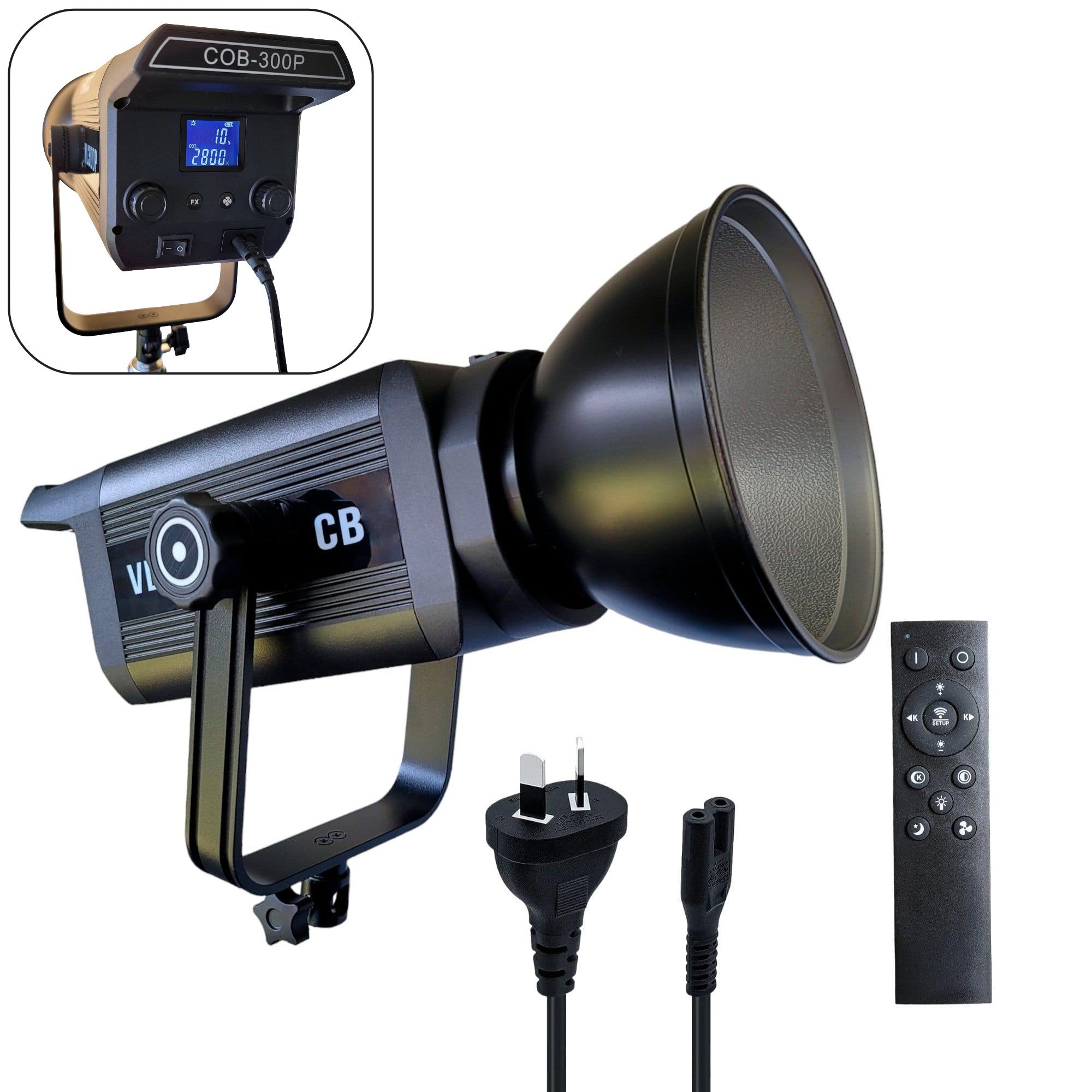
Dedicated background lighting creates subject separation through controlled illumination contrast. Position lights behind subjects to rim-light hair and shoulders while independently controlling background brightness levels.
Gradient lighting across backdrops introduces visual interest without overwhelming subject presence. Use barn doors or snoots to control light spill and create smooth tonal transitions.
Colored Gel Applications
Colored gels transform neutral backdrops into dynamic color environments. This technique allows single backdrop investment while achieving diverse coloristic effects through lighting manipulation.
- Amber gels create warm, sunset-inspired atmospheres
- Blue gels suggest cool, professional environments
- Green gels provide alternative chroma-key solutions
- Red gels generate dramatic, high-energy moods
Frequently Asked Questions About Studio Backdrops
What backdrop size should I choose for my studio space? Backdrop dimensions should exceed your shooting area by at least two feet on all sides. For full-body portraits, consider 10-foot wide backdrops, while headshot photography can utilize 5-6 foot widths effectively.
How do I prevent backdrop wrinkles and creases? Proper storage on backdrop rolls or tubes prevents creasing. For fabric backdrops, light steaming removes wrinkles without damaging material integrity. Always allow fabrics to hang freely for several hours before shooting.
Can I wash muslin backdrops? Hand-painted muslin backdrops should never be machine washed, as this damages artistic treatments. Solid color muslins can be gently hand-washed with mild detergents, though professional cleaning services offer safer alternatives.
What's the difference between seamless paper and muslin for product photography? Seamless paper provides perfectly uniform surfaces ideal for products requiring pristine backgrounds. Muslin offers subtle texture variations that can enhance product dimensionality but may not suit all commercial applications.
Advanced Creative Applications
Experimental backdrop techniques push creative boundaries beyond conventional studio photography. These advanced approaches require technical proficiency but yield extraordinary results.
Projection mapping onto fabric backdrops creates dynamic, changeable environments. Digital projectors cast patterns, textures, or even moving imagery onto backdrop surfaces, transforming static backgrounds into interactive elements.
Mixed-media backdrop construction combines multiple materials for unique textural effects. Layering transparent and opaque materials creates depth illusions while maintaining controllable lighting characteristics. These hybrid approaches particularly benefit fashion and artistic portraiture where conventional backdrops lack sufficient visual impact.





Share:
Nikon Battery Compatibility: EN-EL23 vs Other Models