

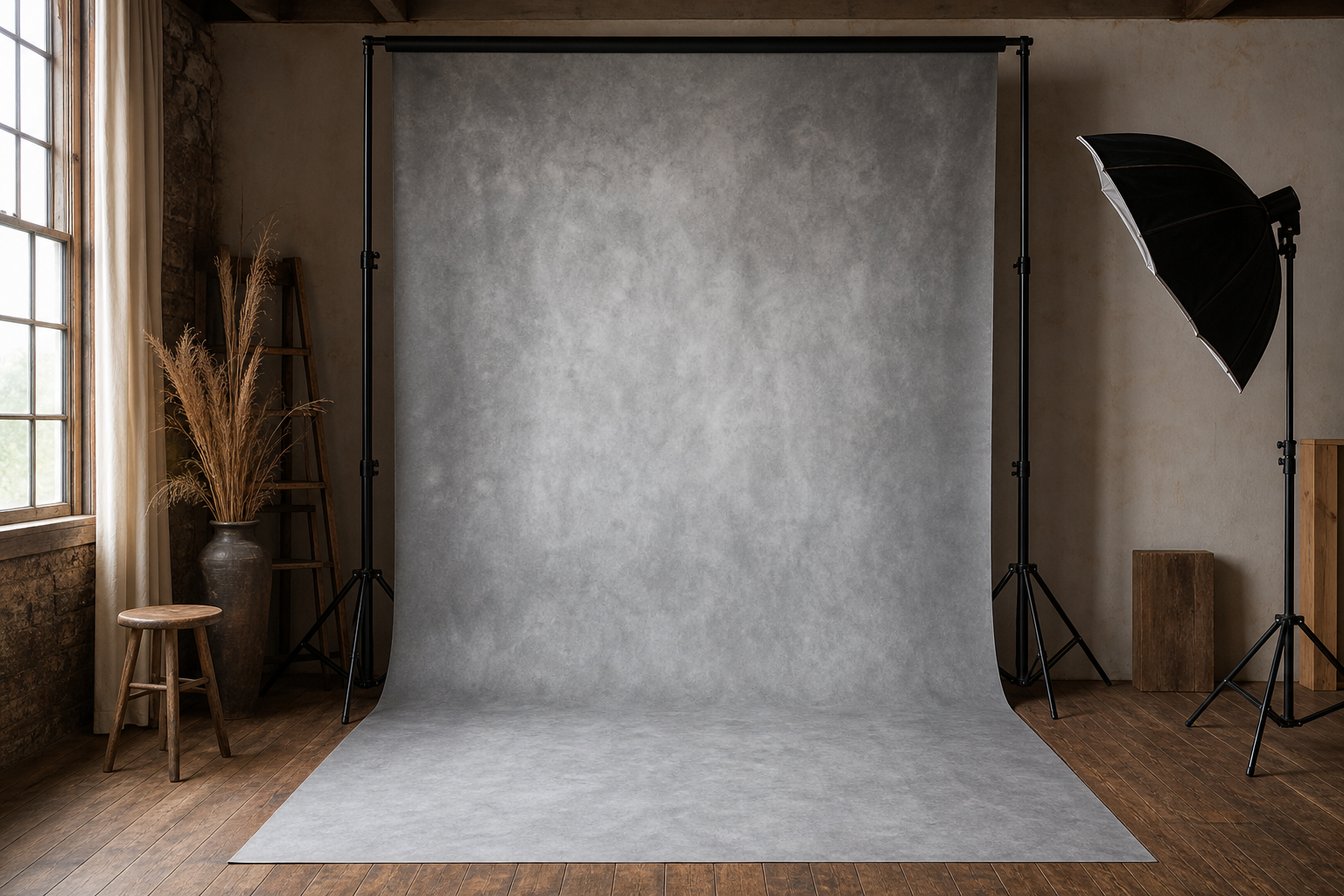
- Understanding Backdrop Materials and Their Applications
- Optimal Backdrop Choices for Product Photography
- Seamless White and Neutral Backgrounds
- Textured and Specialty Surfaces
- Portrait Photography Backdrop Selection
- Solid Color Backdrops for Timeless Portraits
- Patterned and Artistic Backdrops
- Essential Considerations When Purchasing Backdrops
- Backdrop Support Systems and Accessories
- Color Psychology and Backdrop Selection
- Maintaining and Extending Backdrop Longevity
- Building a Versatile Backdrop Collection
- Frequently Asked Questions About Photography Backdrops
- What backdrop size should I purchase for full-length portraits?
- Can I use the same backdrop for both product and portrait photography?
- How do I prevent wrinkles in fabric backdrops?
- Are collapsible pop-up backdrops suitable for professional work?
Selecting the right backdrop transforms ordinary photographs into compelling visual narratives. Whether you're capturing intricate product details or expressive portrait compositions, the foundation beneath your subject determines the professional caliber of your final image. The backdrop market offers myriad options, each engineered for specific photographic scenarios and aesthetic requirements.
Understanding which backdrop material, color, and texture aligns with your creative vision requires both technical knowledge and practical experience. This comprehensive exploration delves into the nuances of backdrop selection, examining materials that elevate commercial product photography and portrait work while considering budget constraints and versatility.
Understanding Backdrop Materials and Their Applications
Photography backdrops span a remarkable spectrum of materials, each possessing unique characteristics that influence light interaction, portability, and longevity. Vinyl backdrops present exceptional durability and moisture resistance, making them ideal for studio environments where frequent cleaning becomes necessary. These non-porous surfaces repel spills and can be wiped clean effortlessly, though they may generate unwanted reflections when improperly illuminated.
Muslin backdrops represent the traditional choice among portrait photographers who appreciate their light-absorbing properties and wrinkle-prone texture that creates organic depth. These cotton-blend fabrics drape beautifully and accept light modulation with grace. Seamless paper backdrops deliver uniformly matte surfaces that eliminate texture distractions, particularly valuable for product photography where focus must remain uncompromised on merchandise details.
Canvas backdrops occupy the premium segment, offering hand-painted textures and artistic flourishes that introduce narrative elements into portraiture. Their substantial weight prevents unwanted movement during sessions, while their texture creates dimensional interest that elevates environmental portraits beyond standard studio fare.
Optimal Backdrop Choices for Product Photography
Seamless White and Neutral Backgrounds
Product photography demands pristine, distraction-free environments where merchandise commands absolute attention. Seamless white paper remains the industry standard for e-commerce applications, providing consistent illumination that facilitates post-production editing. The uniformity eliminates chromatic aberrations while enabling straightforward background removal for composite work.
Neutral gray backdrops offer versatility for products requiring dimensional context without color contamination. These mid-tone surfaces prevent harsh contrast issues while maintaining professional cleanliness. Gray backgrounds particularly excel when photographing reflective merchandise like jewelry or electronics, where pure white might create excessive highlights.
Textured and Specialty Surfaces
Contemporary product photography increasingly embraces textured backdrops that communicate brand personality and product context. Rustic wood textures complement artisanal products and handcrafted goods, while marble surfaces elevate cosmetics and luxury items. Fabric textures like linen or burlap introduce tactile warmth to food photography and lifestyle products.
The backdrop should never compete with your subject but rather complement and contextualize it, creating visual harmony that guides viewer attention precisely where you intend.
Portrait Photography Backdrop Selection
Solid Color Backdrops for Timeless Portraits
Classic portrait photography relies heavily on solid-colored backdrops that direct focus toward subject expression and personality. Black backdrops create dramatic, high-contrast imagery with chiaroscuro lighting techniques, eliminating environmental distractions entirely. This choice proves particularly effective for professional headshots and fine art portraiture where emotional intensity takes precedence.
Gray backdrops provide remarkable flexibility, appearing lighter or darker depending on lighting distance and intensity. This chameleon-like quality makes gray the most versatile single backdrop investment. Photographers can simulate multiple backdrop colors through strategic lighting adjustments without physically changing materials.
Blue and green backdrops serve dual purposes: traditional portrait backgrounds and chroma key applications for composite work. The specific hue selection depends on subject wardrobe and skin tone considerations, ensuring adequate color separation for clean keying when digital background replacement becomes necessary.
Patterned and Artistic Backdrops
Environmental portraits benefit from backdrops incorporating patterns, gradients, or artistic motifs that establish narrative context. These backdrops should enhance rather than overwhelm, with subtle patterns that read as texture rather than distinct visual elements. Hand-painted canvas backdrops offer unique character impossible to replicate, transforming standard portrait sessions into artistic collaborations.
Bokeh and blur backdrops create depth perception through printed out-of-focus elements, suggesting environmental context without requiring actual location shooting. These innovative surfaces prove particularly valuable for studio photographers seeking location aesthetics within controlled lighting environments.
Essential Considerations When Purchasing Backdrops
| Factor | Consideration | Impact |
|---|---|---|
| Size | Subject coverage and composition space | Inadequate dimensions create visible edges and compositional limitations |
| Portability | Studio versus location work requirements | Determines whether collapsible or roll-based systems suit workflow |
| Cleaning | Maintenance frequency and method | Influences longevity and appearance consistency across sessions |
| Storage | Available space and protection needs | Affects material choices and organizational systems |
Backdrop Support Systems and Accessories
Even premium backdrops deliver suboptimal results without proper support infrastructure. Adjustable backdrop stands provide essential stability and tension control, preventing unsightly wrinkles and sags that plague handheld or jury-rigged solutions. Cross-bar systems accommodate multiple backdrop widths, offering flexibility as your inventory expands.
Clamps and clips maintain backdrop position during extended sessions, particularly crucial when working with lightweight materials susceptible to air conditioning drafts or movement. Counterweight systems balance heavier canvas backdrops, reducing strain on support poles while enabling smooth height adjustments.
For location photographers, collapsible backdrop frames with integrated tension mechanisms enable rapid deployment and breakdown. These portable solutions sacrifice some stability compared to studio stands but deliver acceptable performance for environmental portrait work and on-site product photography.
Color Psychology and Backdrop Selection
Color selection transcends mere aesthetic preference, invoking psychological responses that influence viewer perception. Warm tones like ochre and terracotta create approachable, friendly atmospheres suitable for family portraits and lifestyle photography. Cool blues and greens evoke tranquility and professionalism, frequently employed in corporate headshots and medical professional photography.
Vibrant, saturated colors demand careful consideration of subject wardrobe and complementary color theory principles. A crimson backdrop might overwhelm pale subjects or clash with certain clothing choices, while harmonizing beautifully with appropriate styling decisions. Understanding color relationships prevents chromatic disasters and elevates intentional color storytelling.
Maintaining and Extending Backdrop Longevity
Proper maintenance dramatically extends backdrop lifespan while preserving appearance consistency across photography sessions. Vinyl backdrops require only damp cloth cleaning with mild soap solutions, avoiding harsh chemicals that degrade surface coatings. Muslin backdrops benefit from periodic steaming to release wrinkles without introducing water stains that washing might cause.
Seamless paper backdrops present unique challenges as disposable surfaces intended for limited use. Rather than attempting cleaning, photographers should simply unroll fresh sections when the exposed area accumulates scuffs, footprints, or discoloration. This approach maintains pristine backgrounds economically.
Storage conditions profoundly impact backdrop condition between sessions. Climate-controlled environments prevent mildew growth on fabric materials and color fading from humidity fluctuations. Rolling rather than folding prevents permanent creases, while protective tubes shield surfaces from dust accumulation and physical damage.
Building a Versatile Backdrop Collection
Strategic backdrop acquisition builds a versatile arsenal capable of addressing diverse photographic assignments without redundant purchases. Beginning photographers should prioritize neutral foundations: white, black, and gray in preferred materials. This triumvirate handles the majority of professional assignments while teaching fundamental lighting principles applicable across all backdrop choices.
Secondary additions might include earth tones for natural product photography and one or two jewel tones for creative portrait work. Specialty backdrops like textures and patterns should address specific niche requirements rather than speculative "maybe someday" scenarios that occupy storage space unused.
Consider rental options for infrequently used specialty backdrops, particularly expensive hand-painted canvases required for occasional high-end portrait commissions. This approach maximizes budget efficiency while maintaining creative capabilities.
Frequently Asked Questions About Photography Backdrops
What backdrop size should I purchase for full-length portraits?
Full-length portrait photography requires backdrops measuring at least 10 feet wide to accommodate subjects plus compositional breathing room. Height should extend 12 feet minimum, allowing floor pooling that eliminates visible bottom edges while providing sufficient vertical coverage for elevated camera positions.
Can I use the same backdrop for both product and portrait photography?
While technically feasible, dedicated backdrops for each discipline optimize results. Product photography emphasizes texture control and reflectivity management, while portrait work prioritizes flattering color rendering and depth creation. Seamless paper serves both applications adequately when budget constraints necessitate multipurpose solutions.
How do I prevent wrinkles in fabric backdrops?
Proper storage prevents most wrinkling issues. Roll fabric backdrops around sturdy tubes rather than folding them. For existing wrinkles, garment steamers provide gentle wrinkle release without water staining risks. Maintaining appropriate tension during sessions also minimizes wrinkle visibility.
Are collapsible pop-up backdrops suitable for professional work?
Collapsible backdrops serve admirably for location work where portability outweighs absolute perfection. Their smaller dimensions limit compositional options, but their convenience enables professional photography in challenging environments. Reserve them for environmental portraits and supplementary applications rather than primary studio work.
Selecting the best photography backdrops involves balancing technical requirements, creative aspirations, and budgetary realities. Whether outfitting a permanent studio or assembling a portable kit for location assignments, understanding material properties and application-specific requirements ensures your backdrop investments enhance rather than hinder your photographic vision. Quality backdrops from reliable suppliers like Hridz.com.au provide the foundation upon which memorable images are constructed, supporting your creative journey from initial concept through final delivery.





Share:
C-Stand vs Regular Light Stand: Which One Do You Need?
Flash Sale Alert: Photography & Audio Gear Under $50