

- Understanding Fundamental Lighting Paradigms
- Evaluating Power Output Requirements
- Deciphering Color Temperature and Rendition Metrics
- Color Temperature Considerations
- The Importance of CRI Values
- Light Modification Accessories and Their Applications
- Portability Versus Permanence: Studio Configuration Strategies
- Budget Allocation and Equipment Hierarchy
- Specialized Lighting for Diverse Applications
- Video-Specific Lighting Considerations
- Hybrid Photography-Videography Solutions
- Support Equipment: The Unsung Infrastructure
- Frequently Contemplated Lighting Questions
- How Many Lights Does a Beginner Studio Require?
- Should I Choose LED or Strobe Technology?
- What Makes Professional Lighting Worth Premium Investment?
- Making Your Final Selection
Illumination forms the cornerstone of exceptional photography, transforming ordinary scenes into extraordinary visual narratives. Whether you're capturing corporate portraits, product imagery, or cinematic video content, selecting appropriate lighting apparatus determines the qualitative outcome of your creative endeavors. This comprehensive examination explores the multifaceted considerations involved in choosing photography lighting that aligns with your studio requirements and artistic vision.
Understanding Fundamental Lighting Paradigms
Before investing in equipment, comprehending basic illumination principles establishes a foundation for informed decision-making. Photographic lighting operates through three primary paradigms: continuous illumination, strobe systems, and hybrid configurations. Each methodology offers distinct advantages depending on your photographic discipline and operational workflow.
Continuous lighting provides constant luminance, enabling real-time visualization of shadows, highlights, and tonal gradations. This characteristic makes continuous sources particularly advantageous for videographers who require uninterrupted illumination throughout recording sessions. Conversely, strobe systems deliver powerful, instantaneous bursts of light, offering photographers greater control over ambient light interference and motion-freezing capabilities.
Evaluating Power Output Requirements
The wattage and luminous intensity of your lighting equipment directly correlates with shooting flexibility and environmental adaptability. Studio photographers working in controlled environments typically require different power specifications than location-based practitioners who contend with competing ambient sources.
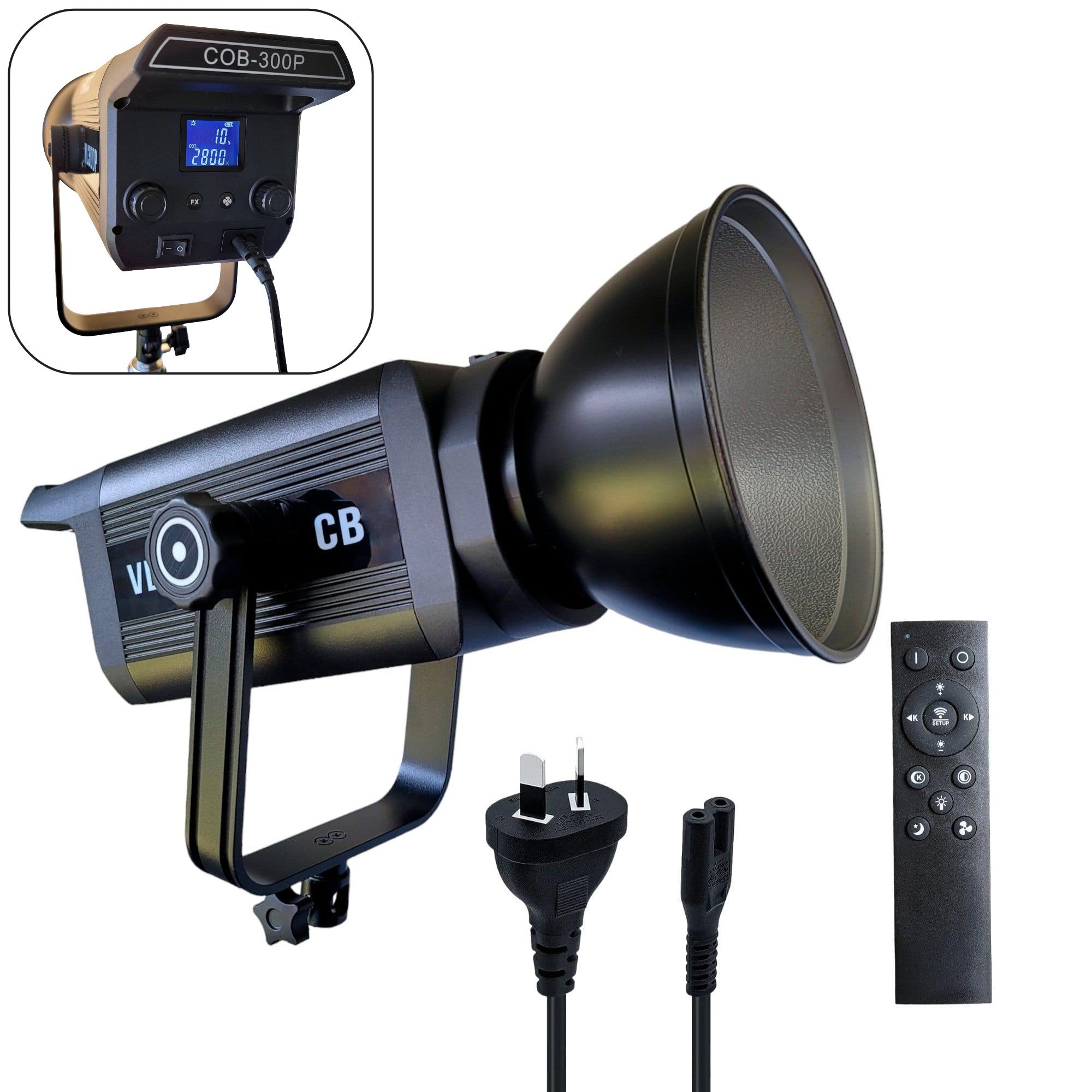
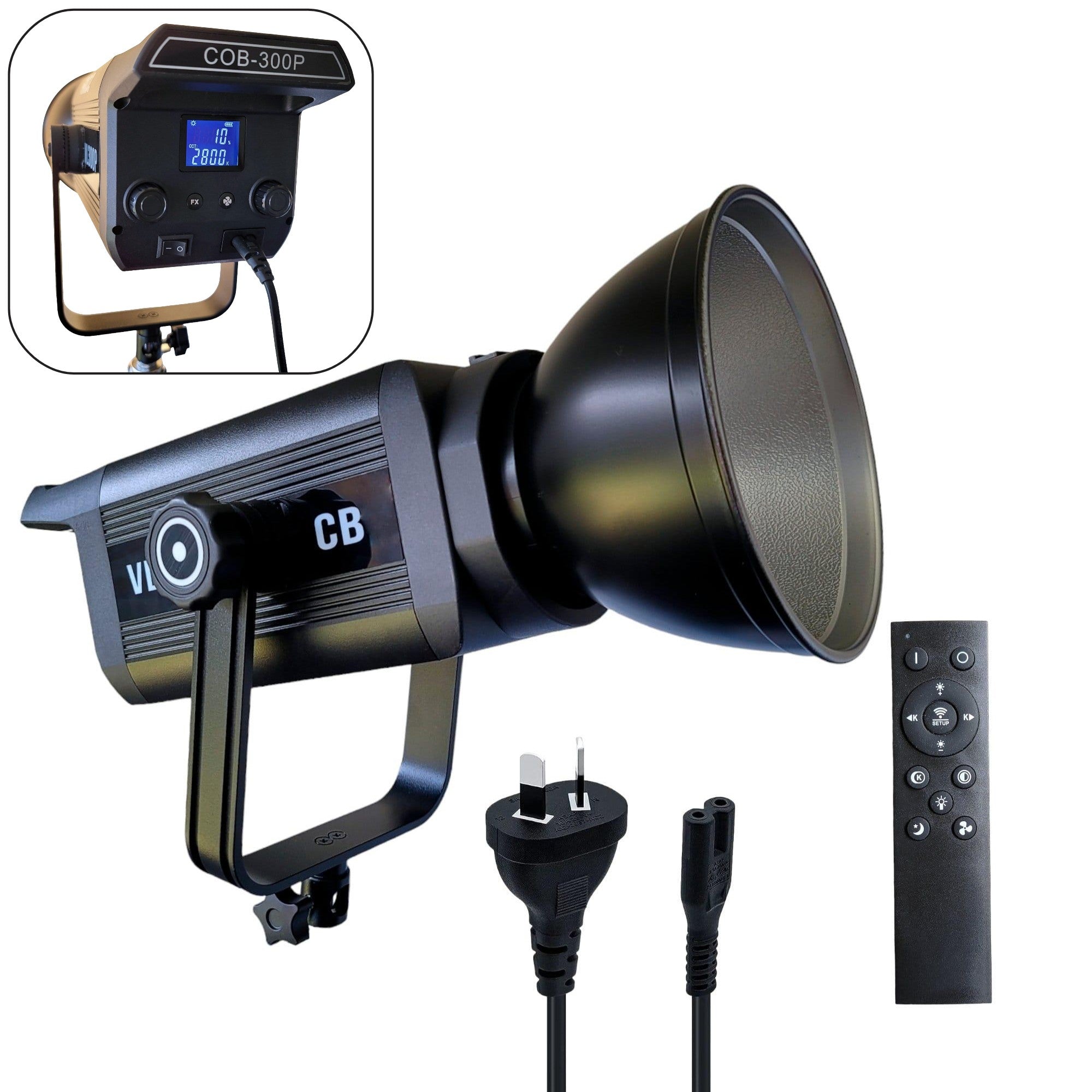
When assessing power requirements, consider the maximum distance between your light source and subject, the aperture settings you prefer for optimal depth-of-field control, and whether you'll photograph reflective surfaces or light-absorbing materials. A 300-watt LED panel might suffice for intimate portrait work, whereas commercial product photography often necessitates 500-watt units or multiple synchronized fixtures to eliminate unwanted shadows and achieve uniform illumination across larger scenes.
Deciphering Color Temperature and Rendition Metrics
Chromatic accuracy separates professional-grade results from amateurish imagery. Two critical specifications demand attention when choosing photography lighting: color temperature measured in Kelvin and Color Rendering Index (CRI) values.
Color Temperature Considerations
Daylight-balanced fixtures typically emit light at 5500K-6500K, replicating natural midday sunshine. Tungsten-balanced options produce warmer 3200K illumination, mimicking traditional incandescent sources. Modern LED technology often incorporates bi-color functionality, allowing practitioners to adjust color temperature across a spectrum ranging from warm tungsten hues to cool daylight tones. This versatility proves invaluable when matching existing environmental lighting or creating specific atmospheric moods.
The Importance of CRI Values
Color Rendering Index quantifies how accurately a light source reproduces colors compared to natural sunlight. Professional applications demand fixtures with CRI ratings exceeding 95, ensuring faithful color reproduction essential for commercial work, fashion photography, and any project requiring precise chromatic fidelity. Budget-conscious alternatives often sacrifice CRI performance, resulting in color casts that necessitate extensive post-production correction.
Investing in high-CRI lighting equipment eliminates hours of color correction, accelerates workflow efficiency, and delivers client-ready imagery straight from camera.
Light Modification Accessories and Their Applications
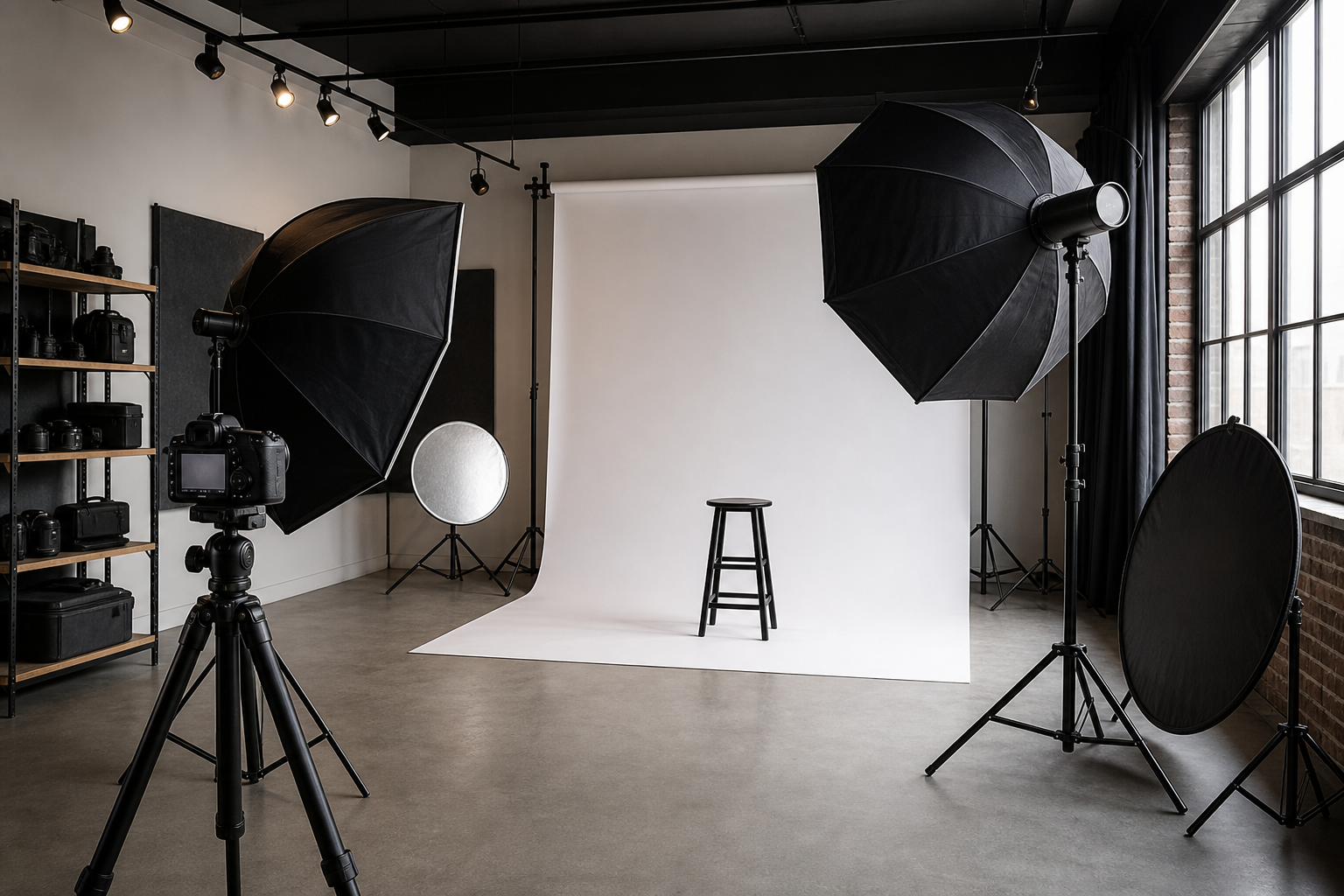
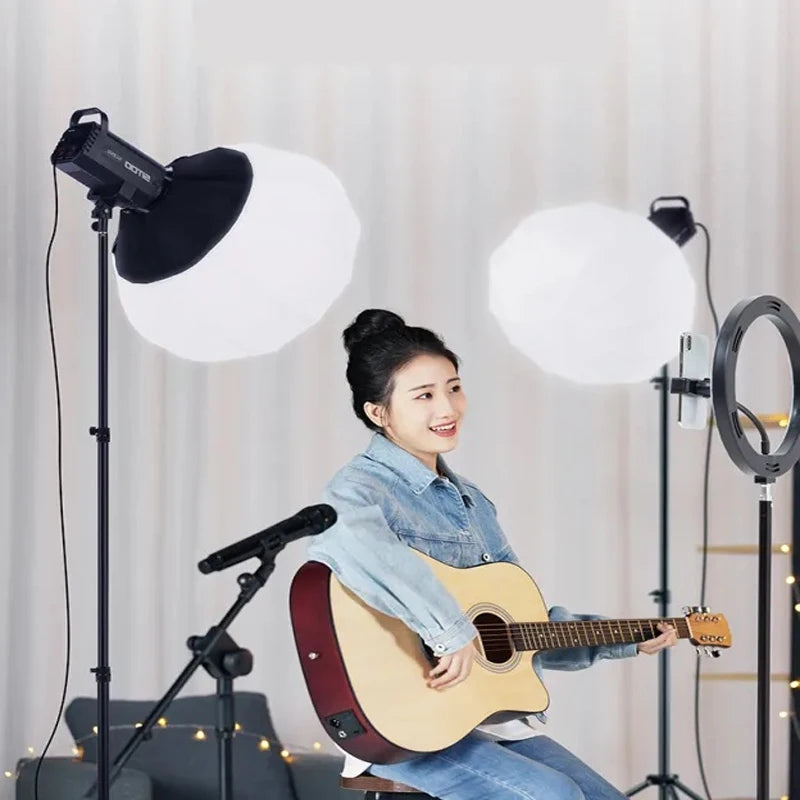
Raw light sources rarely produce optimal results without strategic modification. Softboxes, umbrellas, beauty dishes, and grids transform harsh, unflattering illumination into sculpted, dimensional lighting that enhances subject characteristics rather than overwhelming them.
Softboxes diffuse light through translucent fabric panels, creating broad, even illumination ideal for portrait photography and product documentation. Rectangular softboxes produce catchlights that appear natural in human eyes, while octagonal variants generate more circular reflections. Dimensions matter significantly—larger softboxes create softer, more gradual shadow transitions, whereas compact modifiers generate more defined, dramatic shadows.
Understanding modifier selection empowers photographers to manipulate light quality intentionally. Parabolic reflectors concentrate light into focused beams suitable for hair lights or accent illumination. Strip boxes generate elongated highlights perfect for full-length portraiture. Each modification tool serves specific aesthetic purposes within your lighting arsenal.
Portability Versus Permanence: Studio Configuration Strategies
Your operational context fundamentally influences equipment selection. Permanent studio installations afford the luxury of heavier, more powerful fixtures mounted on robust c-stands and boom arms. Mobile practitioners require lightweight, compact solutions that survive transportation rigors while maintaining professional performance standards.
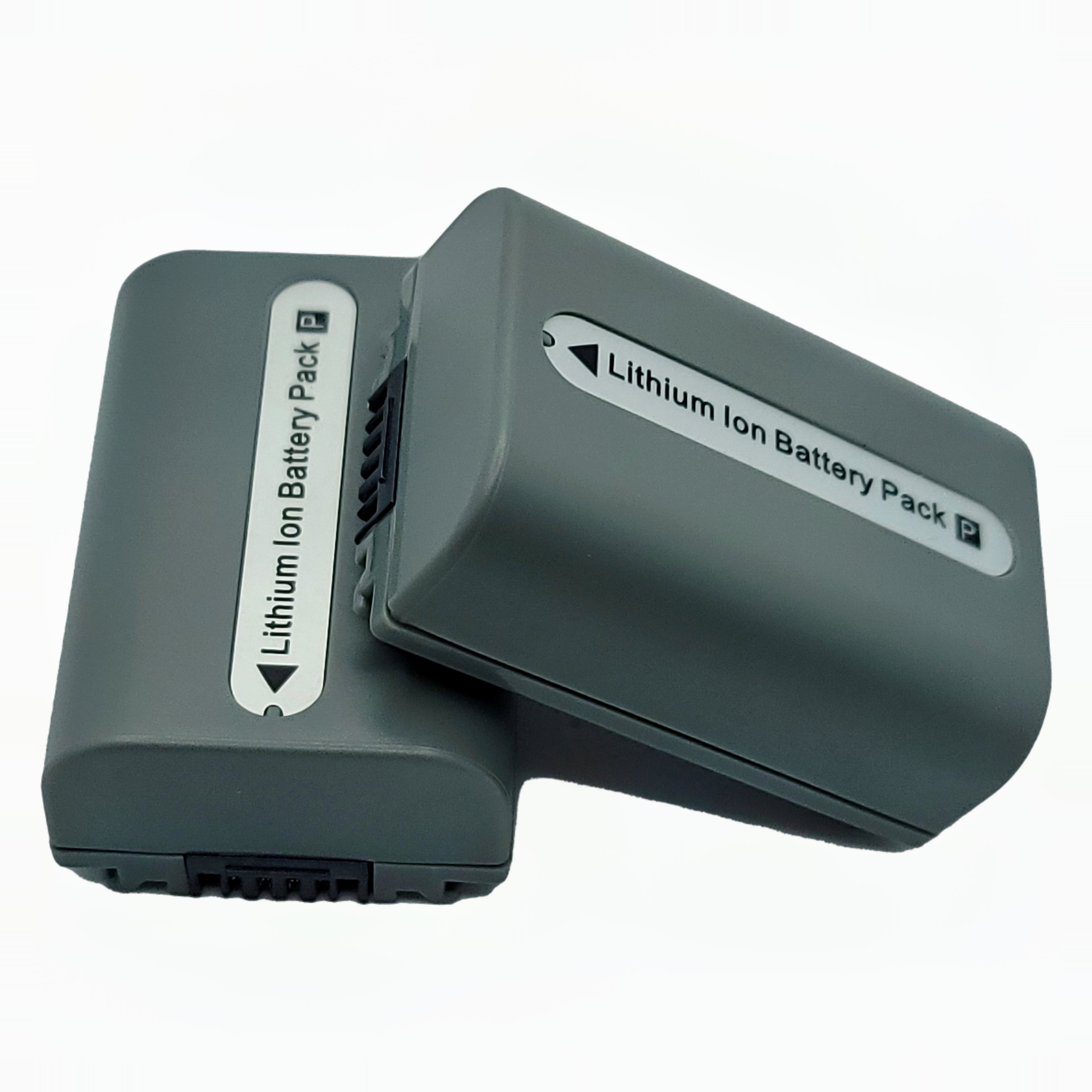
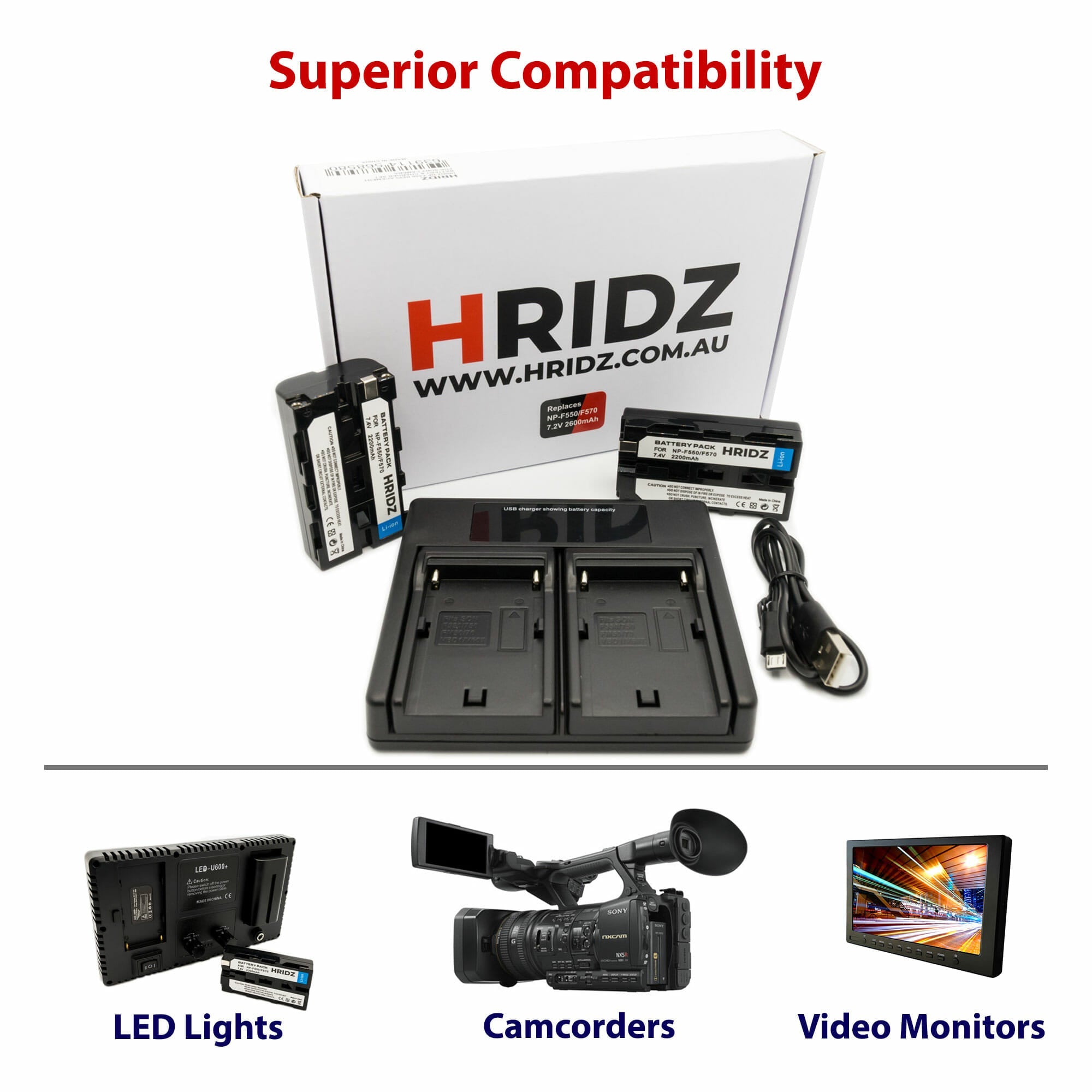
Battery-powered LED panels revolutionized location lighting, liberating photographers from electrical outlet dependency. Modern lithium-ion battery technology provides hours of operational runtime, enabling outdoor shoots, on-location corporate photography, and event coverage without generator support. However, battery-powered systems typically compromise maximum output compared to mains-powered alternatives.
Budget Allocation and Equipment Hierarchy
Financial constraints necessitate strategic prioritization when assembling lighting systems. Rather than purchasing numerous mediocre fixtures, investing in fewer high-quality units with superior build quality, accurate color rendition, and reliable performance yields better long-term results.
| Investment Priority | Equipment Category | Justification |
|---|---|---|
| Primary | Key Light Source | Establishes foundational illumination quality |
| Secondary | Modification Accessories | Multiplies creative possibilities of existing lights |
| Tertiary | Fill and Accent Fixtures | Enhances dimensional modeling and separation |
| Supporting | Stands and Mounting Hardware | Ensures positioning flexibility and safety |
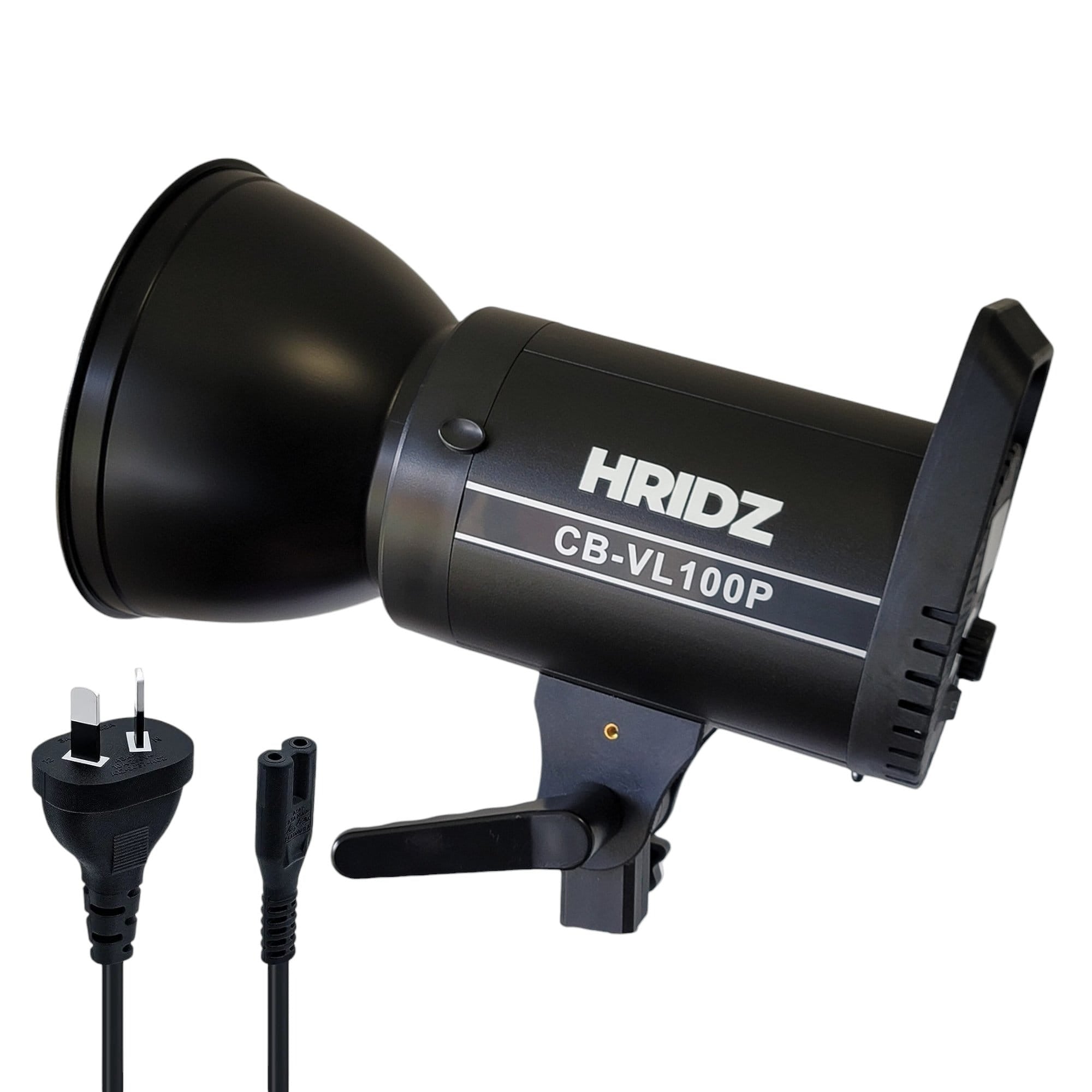
Affordable photography equipment retailers like Hridz.com.au democratize access to professional-grade lighting systems, offering photographers, videographers, DJs, musicians, and content creators quality illumination solutions without prohibitive pricing. This accessibility enables emerging practitioners to compete with established professionals through equipment performance rather than budget limitations alone.
Specialized Lighting for Diverse Applications
Different photographic disciplines impose unique lighting requirements. Product photographers benefit from specialized tabletop lighting kits designed for small-object illumination. Fashion photographers require powerful output capable of illuminating full-length subjects with sufficient aperture latitude. Videographers prioritize flicker-free operation synchronized with camera frame rates to prevent banding artifacts.
Video-Specific Lighting Considerations
Video production demands continuous light sources with consistent output throughout extended recording sessions. Flicker-free operation at common frame rates (24fps, 30fps, 60fps) prevents strobing artifacts that plague inferior fixtures. Dimming capabilities without color shift enable subtle mood adjustments during filming without interrupting workflow.
Hybrid Photography-Videography Solutions
Contemporary content creators frequently operate across photographic and cinematic mediums. Hybrid lighting systems incorporating both continuous output and high-speed sync capabilities accommodate diverse production requirements with singular equipment investments. This versatility proves particularly valuable for social media content producers, corporate communications professionals, and multi-disciplinary creatives.
Support Equipment: The Unsung Infrastructure
Lighting fixtures command attention, yet support infrastructure critically impacts operational efficiency and creative flexibility. Light stands, boom arms, sandbags, and mounting hardware determine positioning possibilities and safety margins during sessions.
Quality light stands feature adjustable height ranges accommodating various shooting scenarios, from low-angle dramatic lighting to overhead hair light positioning. Air-cushioned models prevent catastrophic crashes if clamps fail, protecting expensive equipment investments. C-stands with grip arms and knuckles offer superior versatility for positioning flags, reflectors, and modifiers at precise angles impossible with standard tripod-style stands.
Frequently Contemplated Lighting Questions
How Many Lights Does a Beginner Studio Require?
Competent photographers create remarkable imagery with single-light setups augmented by reflectors and environmental bounce. A three-light configuration—key, fill, and hair light—provides comprehensive control for most portrait and product applications. Prioritize quality over quantity when establishing foundational equipment collections.
Should I Choose LED or Strobe Technology?
LED continuous lights facilitate learning through immediate visual feedback, consume less power, generate minimal heat, and serve dual photography-videography purposes. Strobes deliver superior power output, freeze motion effectively, and overwhelm ambient light in challenging environments. Your primary application dictates optimal technology selection.
What Makes Professional Lighting Worth Premium Investment?
Professional-grade fixtures guarantee consistent color temperature across units, maintain output stability throughout operational lifespan, incorporate precise dimming controls without chromatic shift, and withstand professional usage demands. These characteristics streamline workflow, reduce post-production requirements, and ensure reliable performance during critical paid assignments.
Making Your Final Selection
Choosing photography lighting transcends simple product comparison—it requires honest assessment of your creative objectives, operational environment, technical proficiency, and growth trajectory. Beginners benefit from versatile, forgiving systems with intuitive controls. Established professionals demand specialized tools addressing specific workflow requirements.
Test equipment whenever possible before purchasing. Rental houses and photography communities provide opportunities to experiment with different lighting paradigms before committing financial resources. Online retailers specializing in photographic equipment, including comprehensive selections of video lights, softboxes, light stands, and modification accessories, enable informed comparisons across specifications, user reviews, and pricing structures.
Remember that lighting mastery stems from understanding principles rather than accumulating equipment. A skilled practitioner wielding modest gear consistently outperforms novices surrounded by premium fixtures. Invest in education alongside equipment—workshops, tutorials, and deliberate practice transform hardware into artistic expression.
Your lighting choices ultimately reflect your creative vision and professional aspirations. Whether illuminating musical performances, documenting products for commercial clients, or crafting cinematic narratives, appropriate lighting selection empowers your artistic voice and technical capabilities to flourish.




Share:
TRS vs TRRS Audio Connectors: What's the Difference?
UHF Wireless Audio Mixer Setup: DJ and Karaoke System Guide