

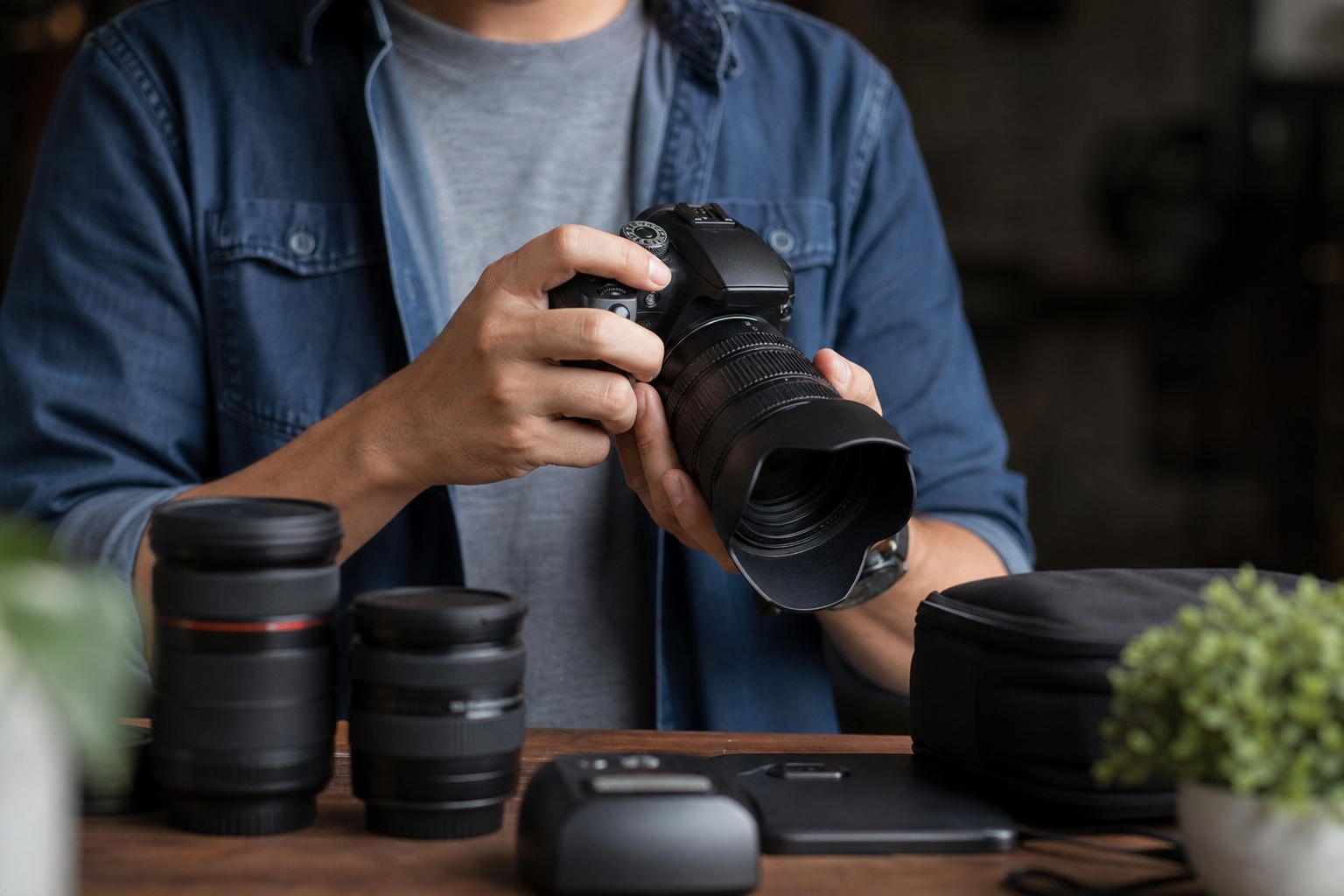
- Understanding Exposure: The Foundational Trinity
- Mastering Composition Through the Rule of Thirds
- Harnessing Natural Light Effectively
- Golden Hour Magic
- Overcast Advantage
- Achieving Tack-Sharp Focus
- White Balance Mastery for Accurate Colors
- Composition Beyond the Basics: Leading Lines and Framing
- Understanding Depth of Field Control
- Developing Post-Processing Fundamentals
- Proper Equipment Handling and Maintenance
- Cultivating Your Photographic Vision
- Frequently Asked Questions About Beginning Photography
- What camera should absolute beginners purchase?
- How important are expensive lenses for beginners?
- Should beginners shoot manual or automatic modes?
- How long until noticeable improvement occurs?
Embarking on your photographic journey can feel overwhelming with countless camera settings, composition rules, and technical jargon swirling around. Yet mastering photography doesn't require innate talent—it demands dedication to foundational principles that transform amateur snapshots into compelling visual narratives. Whether you're capturing landscapes, portraits, or product imagery, these ten essential competencies will accelerate your progression from novice to confident practitioner.
Understanding Exposure: The Foundational Trinity
Exposure forms the bedrock of photographic excellence, governed by three interdependent elements that collectively determine image brightness and aesthetic quality. Aperture, shutter speed, and ISO constitute this trinity, each influencing your final image in distinctive ways.
Aperture controls light quantity entering through the lens, measured in f-stops. Lower f-numbers (f/1.8, f/2.8) create wider openings, permitting abundant luminosity while generating shallow depth-of-field—ideal for portrait photography where background defocusing isolates subjects beautifully. Conversely, higher f-numbers (f/11, f/16) reduce aperture diameter, increasing depth-of-field for landscape photography where comprehensive sharpness matters.
Shutter speed dictates exposure duration, ranging from milliseconds to minutes. Faster speeds (1/500s, 1/1000s) freeze motion—essential for wildlife or sports photography. Slower speeds (1/30s, multiple seconds) introduce intentional blur, conveying movement or enabling low-light captures. Experimentation reveals how temporal adjustments transform storytelling capabilities.
ISO determines sensor sensitivity. Lower values (100-400) produce pristine, noise-free images under adequate illumination. Higher settings (1600-6400+) accommodate dim environments but introduce graininess. Modern camera bodies from Hridz.com.au handle elevated ISO values impressively, yet understanding this compromise remains crucial.
Mastering Composition Through the Rule of Thirds
Compositional prowess separates mundane documentation from arresting imagery. The rule of thirds provides an accessible framework for visual arrangement, dividing frames into nine equal segments via two horizontal and two vertical lines.
Positioning crucial elements along these intersecting points creates natural visual tension and interest. Rather than centering subjects—which often produces static, lifeless results—offset placement generates dynamism. Horizons aligned with the upper or lower third line emphasize sky or foreground respectively, guiding viewer attention strategically.
This guideline isn't sacrosanct; exceptional photographs sometimes demand centered subjects or alternative arrangements. However, internalizing this principle establishes compositional instincts that inform creative decisions even when deliberately violated.
Harnessing Natural Light Effectively
Illumination quality dramatically impacts photographic outcomes, with natural light offering unparalleled versatility and cost-effectiveness for beginners. Understanding diurnal luminosity patterns unlocks transformative potential.
Golden Hour Magic
The hour following sunrise and preceding sunset bathes scenes in warm, diffused radiance. Shadows lengthen gracefully, contrast softens, and colors saturate magnificently. Portrait photographers particularly revere this temporal window for its flattering, gentle illumination that minimizes harsh skin textures.
Overcast Advantage
Cloudy conditions function as nature's softbox, diffusing harsh sunlight into even, shadow-free illumination. While seemingly uninspiring, overcast days excel for portrait, macro, and product photography. When photographing audio equipment like wireless UHF microphones or XLR cables for professional documentation, diffused light prevents glare and reveals intricate details uniformly.
Achieving Tack-Sharp Focus
Blurry photographs undermine otherwise exceptional compositions. Achieving consistent sharpness requires understanding focus techniques and camera stabilization fundamentals.
Modern autofocus systems offer various modes: single-point AF for stationary subjects, continuous AF for moving targets, and automatic area selection for complex scenes. Beginners should master single-point AF initially, deliberately selecting focus placement rather than surrendering control to camera algorithms.
For handheld shooting, employ the reciprocal rule: minimum shutter speed should equal or exceed your focal length's reciprocal. Photographing with a 50mm lens? Use 1/50s minimum. Longer telephoto lenses demand proportionally faster speeds to counteract magnified hand tremors.
Camera shake remains the primary culprit behind unsharp images among beginners. When possible, utilize tripods or light stands—equipment readily available at Hridz.com.au—to eliminate this variable entirely.
White Balance Mastery for Accurate Colors
White balance compensates for varying color temperatures across different light sources, ensuring whites appear neutral rather than exhibiting unnatural color casts. Incandescent bulbs emit warm orange tones; fluorescent fixtures lean cyan-green; midday sunlight renders neutral.
Auto white balance performs adequately in consistent lighting but falters during mixed-source scenarios. Learning preset selections (daylight, tungsten, fluorescent) or custom white balance techniques ensures color fidelity. This consideration proves particularly vital when photographing audio mixers, camera batteries, or backdrop materials where accurate color representation influences purchasing decisions.
Composition Beyond the Basics: Leading Lines and Framing
Advancing beyond rudimentary composition involves incorporating sophisticated visual guidance mechanisms that direct viewer attention deliberately through frames.
Leading lines—roads, fences, architectural elements, rivers—create pathways drawing eyes toward primary subjects. These linear elements establish depth, transforming two-dimensional photographs into spatially dimensional experiences.
Natural framing employs environmental elements—doorways, windows, overhanging branches—to encircle subjects, adding contextual layers and focusing attention. This technique particularly enhances environmental portraits, placing subjects within their habitats while maintaining compositional emphasis.
Understanding Depth of Field Control
Depth of field refers to the zone appearing acceptably sharp before and beyond your focus point. Three factors influence this: aperture, focal length, and subject distance.
| Variable | Effect on Depth of Field |
|---|---|
| Wider Aperture (f/1.8) | Shallower depth (background blur) |
| Narrower Aperture (f/16) | Deeper depth (more sharpness) |
| Longer Focal Length | Shallower depth |
| Closer Subject Distance | Shallower depth |
Portrait photographers favor shallow depth, isolating subjects against beautifully defocused backgrounds. Landscape photographers prefer extensive depth, rendering foreground flowers and distant mountains equally crisp. Product photographers documenting camera microphones or desktop microphones must balance sufficient depth to showcase entire products while maintaining subject isolation.
Developing Post-Processing Fundamentals
Digital darkroom skills complement capture technique, transforming raw files into polished final presentations. Post-processing isn't deceptive manipulation—it's completing the creative vision initiated during capture.
Begin with non-destructive adjustments: exposure correction, contrast refinement, highlight recovery, and shadow lifting. Graduated adjustments for color temperature, vibrance, and clarity follow. Avoid excessive saturation or contrast that produces artificial appearances.
Shooting RAW format rather than JPEG preserves maximum editing latitude, capturing substantially more tonal information for flexible post-processing. This becomes invaluable when photographing challenging lighting scenarios like stage performances for musicians or DJs where illumination varies dramatically.
Proper Equipment Handling and Maintenance
Technical proficiency extends beyond creative decisions to encompass proper gear stewardship. Camera bodies and lenses represent significant investments requiring conscientious care.
- Clean lenses using microfiber cloths and purpose-designed solutions, never household cleaners
- Store equipment in humidity-controlled environments with silica gel packets
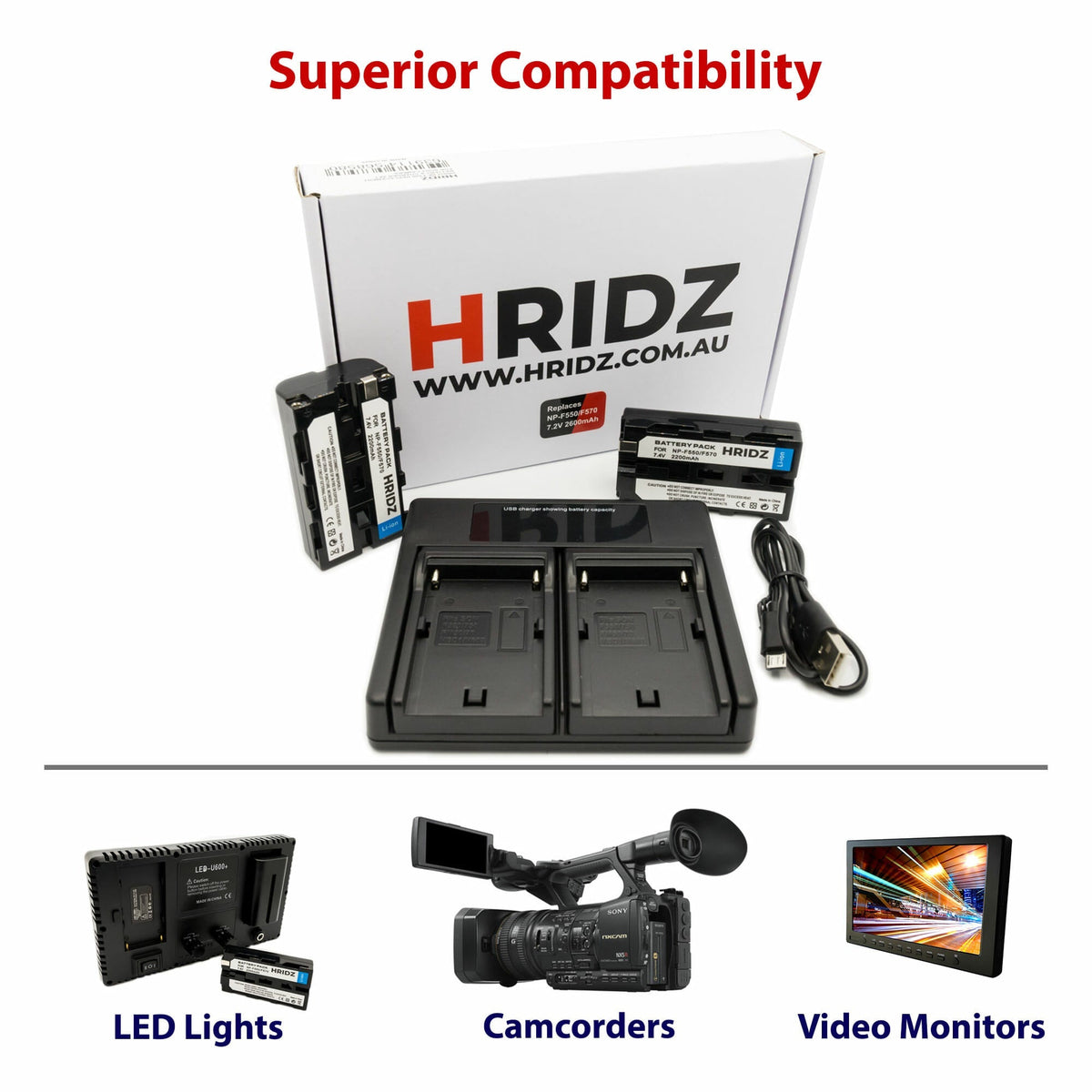
- Maintain multiple charged camera batteries for uninterrupted shooting sessions
- Regularly inspect and clean camera sensors to prevent dust spots
- Use protective UV filters on lenses for scratch prevention
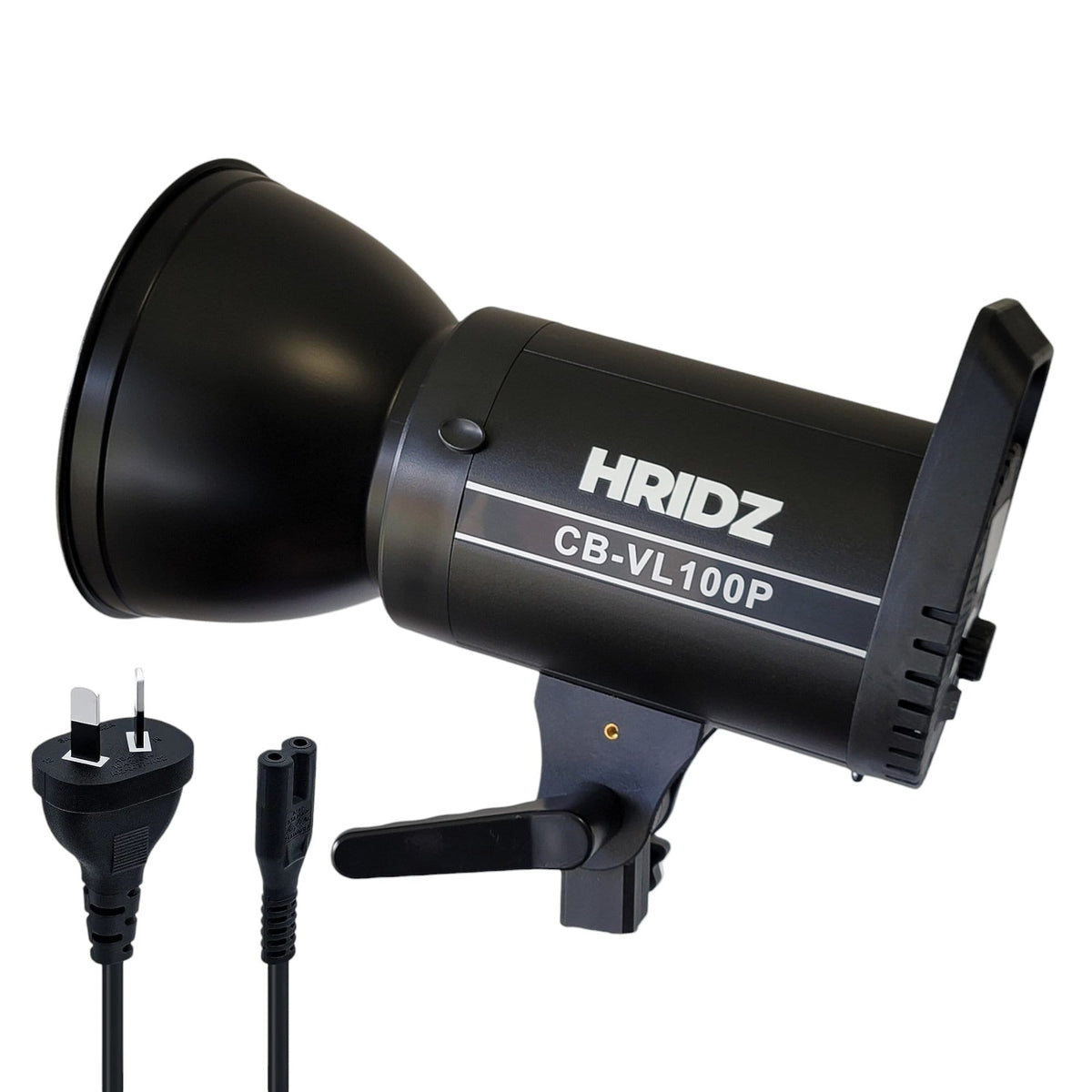
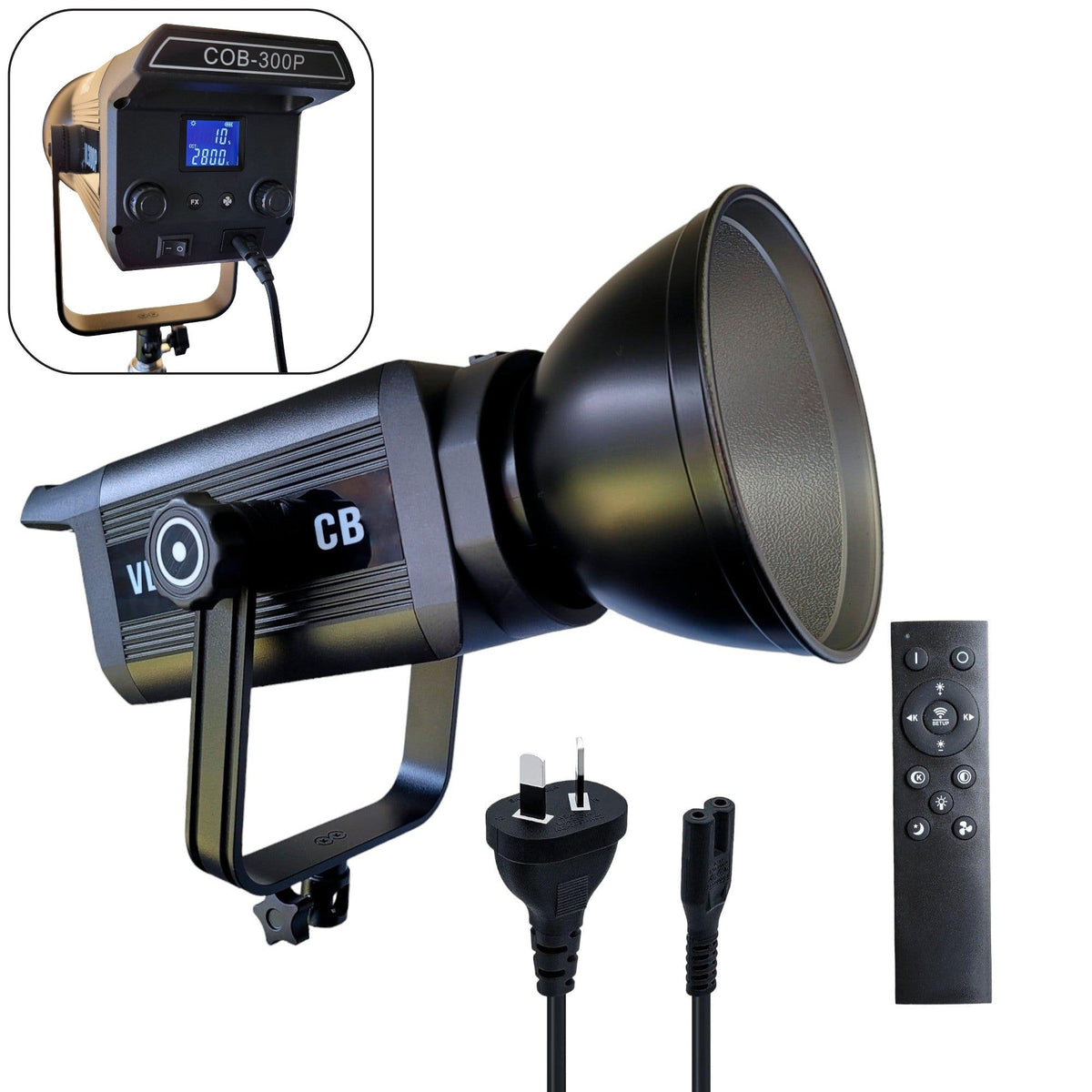
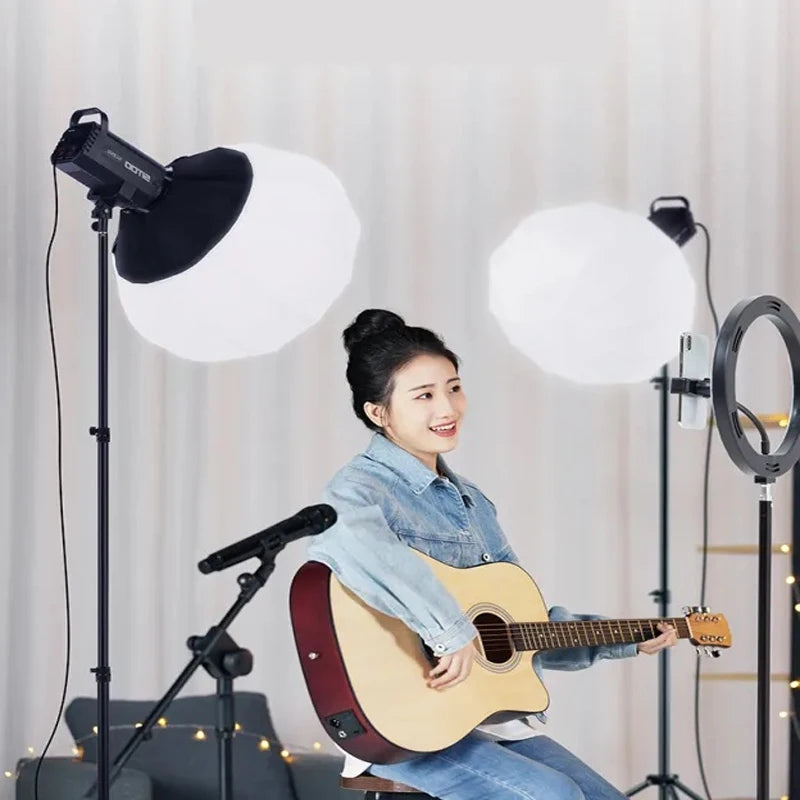
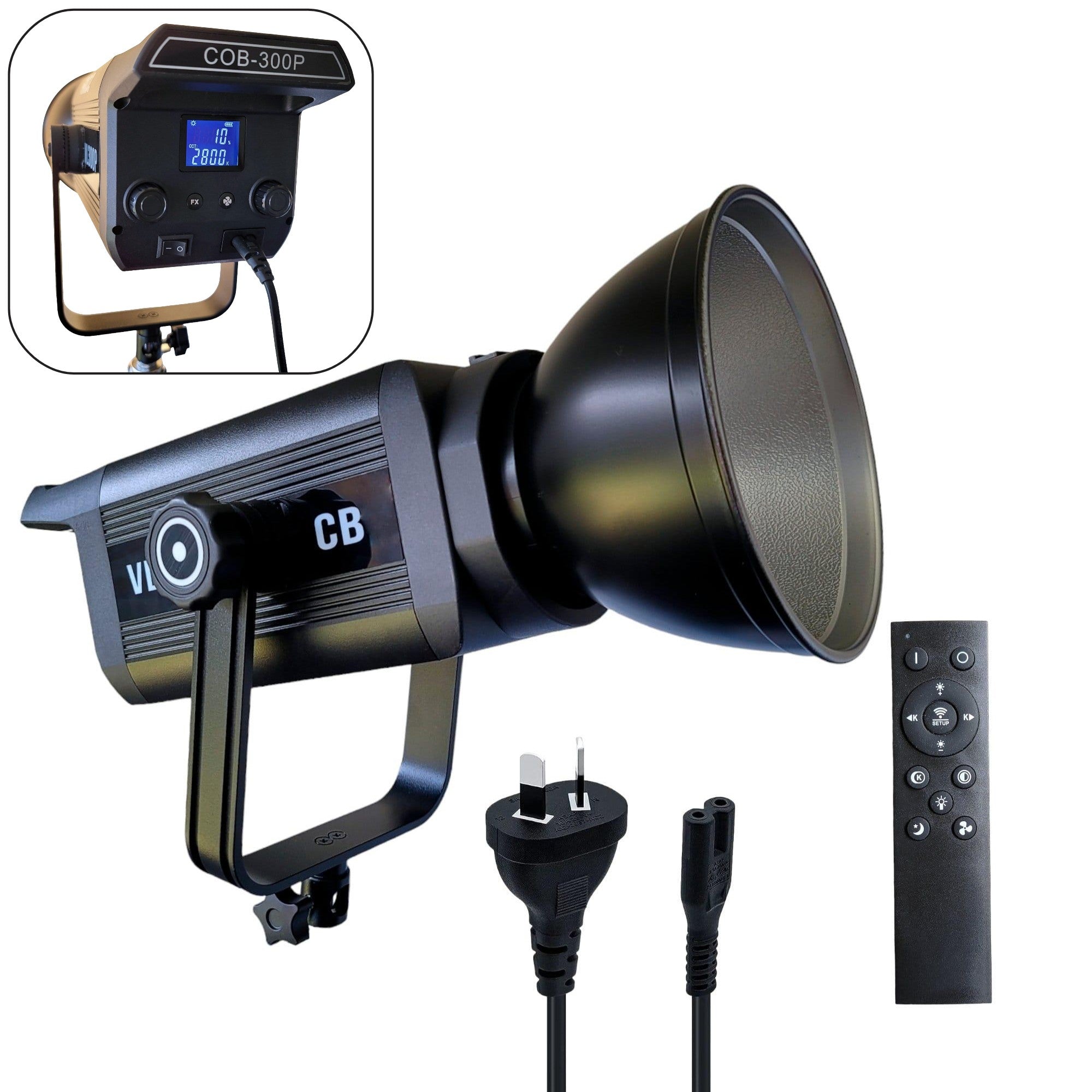
Investing in quality accessories—softboxes for controlled lighting, video lights for consistent illumination, sturdy light stands for reliable support—elevates production quality substantially. Hridz.com.au offers comprehensive equipment selections enabling photographers and videographers to build complete kits without compromising quality for affordability.
Cultivating Your Photographic Vision
Technical mastery serves creative expression, not vice versa. As fundamental skills solidify through deliberate practice, begin developing your distinctive aesthetic voice.
Study photographers whose work resonates emotionally. Analyze compositional choices, lighting approaches, and post-processing styles. Emulation initially accelerates learning; eventually, synthesis of influences combined with personal perspective yields originality.
Photograph consistently and purposefully. Daily practice, even brief sessions, compounds incrementally into substantial skill development. Challenge yourself with specific projects: document your neighborhood's character, create portrait series exploring human emotion, or produce product photography for local businesses.
Frequently Asked Questions About Beginning Photography
What camera should absolute beginners purchase?
Entry-level DSLRs or mirrorless bodies provide excellent learning platforms without overwhelming complexity or expense. Prioritize understanding exposure fundamentals over acquiring expensive equipment initially. Many professionals create stunning work with modest gear through superior technique.
How important are expensive lenses for beginners?
Kit lenses accompanying camera bodies suffice initially. Master exposure, composition, and lighting with existing equipment before investing in premium glass. Understanding how to maximize current gear yields better returns than collecting equipment without foundational knowledge.
Should beginners shoot manual or automatic modes?
Manual mode accelerates learning by forcing conscious decisions about exposure trinity elements. While initially frustrating, this approach builds intuitive understanding impossible through automatic modes. Semi-automatic modes (aperture priority, shutter priority) offer useful intermediary steps.
How long until noticeable improvement occurs?
Consistent practice yields visible progress within weeks. Photographing deliberately—analyzing results, adjusting approaches, experimenting purposefully—expedites advancement dramatically compared to sporadic, mindless shooting. Patience combined with persistence guarantees improvement.
Mastering photography demands patience, curiosity, and systematic skill development. These ten essential competencies establish the foundation supporting lifelong creative growth. Remember that iconic photographers weren't born with cameras in hand—they cultivated expertise through dedicated practice, thoughtful experimentation, and persistent refinement. Your photographic journey begins with single, deliberate exposures that collectively transform into a comprehensive visual vocabulary. Equip yourself properly through reliable suppliers like Hridz.com.au, practice purposefully, and embrace the iterative learning process that defines photographic mastery.





Share:
Globe Lantern Softboxes vs Traditional: Which Creates Better Light
NP-F Battery Complete Guide: Power Solutions for Video Lights