

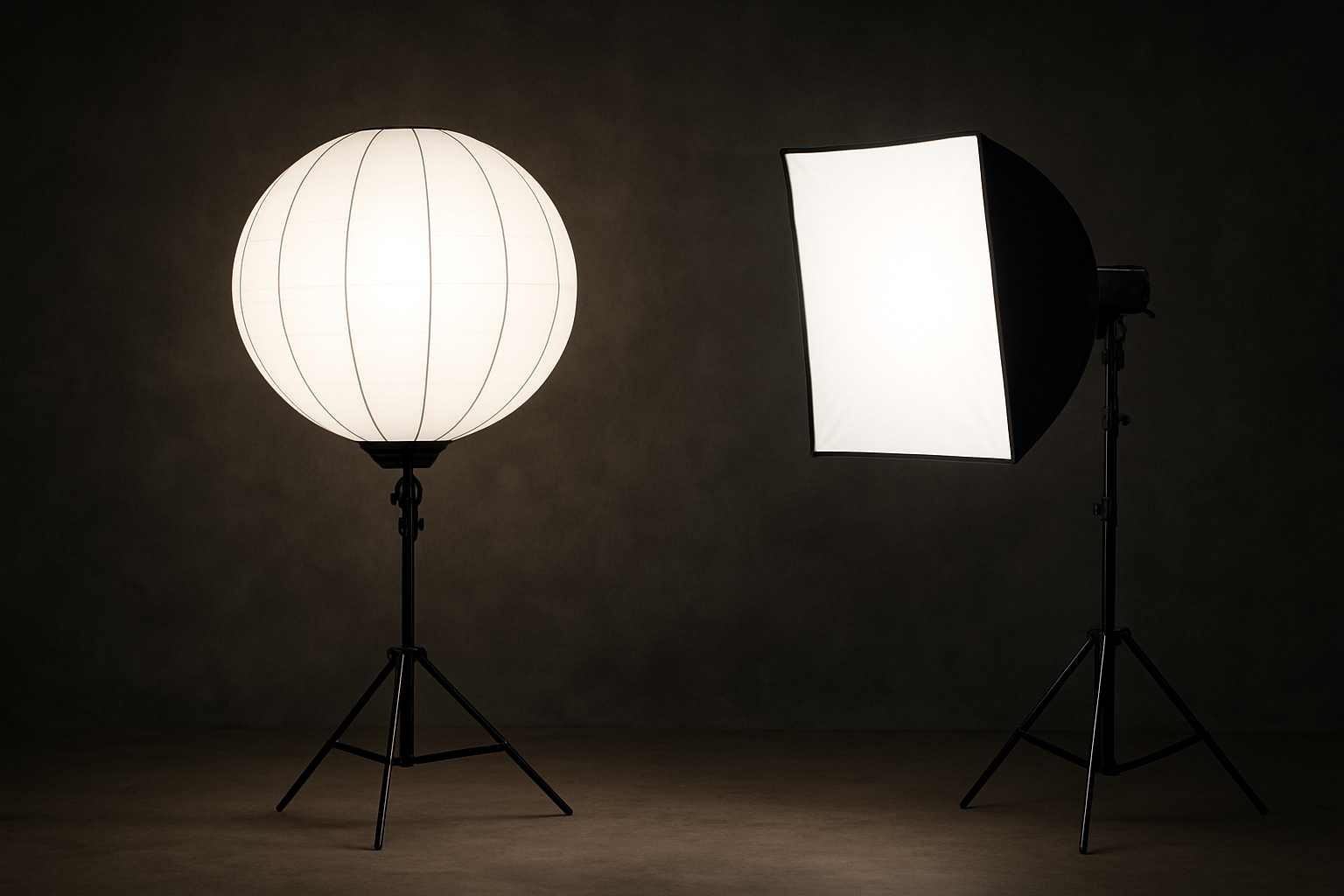
- Understanding Globe Lantern Softboxes
- Key Design Characteristics
- Traditional Softbox Fundamentals
- Directional Control Advantages
- The Hridz GLS65 Globe Lantern Solution
- Light Quality Comparison Analysis
- Shadow Characteristics
- Catchlight Patterns
- Practical Application Scenarios
- Studio Space Considerations
- Technical Performance Metrics
- Color Temperature Consistency
- Making the Optimal Choice
Understanding Globe Lantern Softboxes
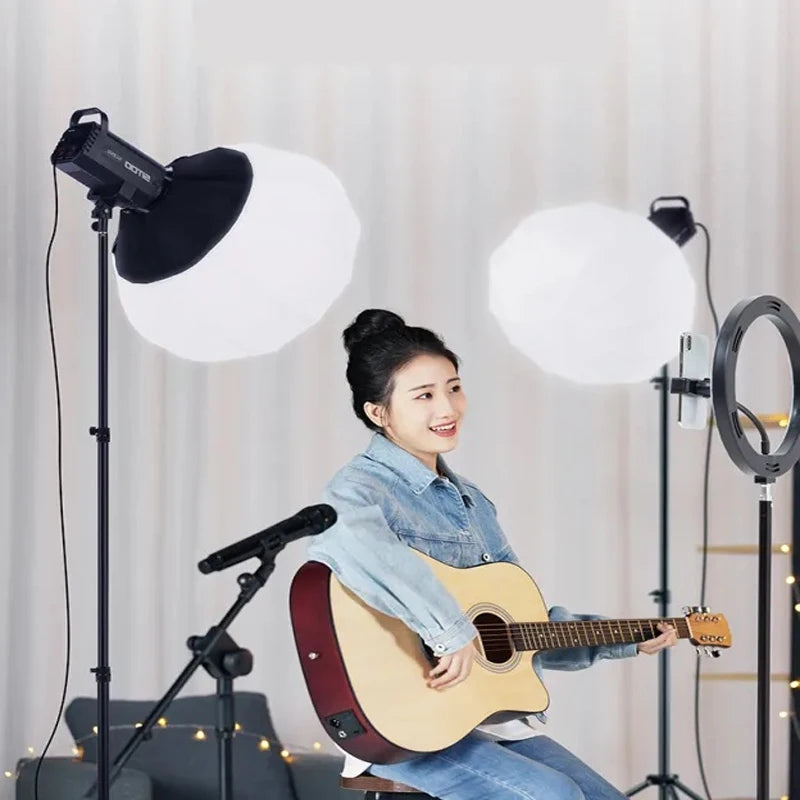
Globe lantern softboxes represent a revolutionary approach to photographic illumination, fundamentally transforming how photographers achieve omnidirectional light distribution. These spherical modifiers create a distinctive luminous envelope that mimics natural ambient lighting conditions. Unlike conventional rectangular softboxes, globe lanterns emit light in a 360-degree pattern, producing exceptionally soft shadows and reducing harsh contrasts that often plague traditional lighting setups.
The spherical geometry of globe lantern softboxes generates what lighting professionals term "wrap-around illumination." This phenomenon occurs when light rays emanate from multiple angles simultaneously, effectively enveloping the subject in a cocoon of gentle radiance. The result is remarkably even exposure across facial features and three-dimensional objects, eliminating the telltale signs of artificial lighting that can compromise image authenticity.
Key Design Characteristics
The construction methodology of globe lantern softboxes incorporates specialized diffusion materials that scatter light particles uniformly throughout the spherical chamber. These modifiers typically feature dual-layer diffusion systems, with an inner baffle and outer diffusion panel working synergistically to eliminate hotspots. The circumferential light output creates natural-looking catchlights in subjects' eyes, mimicking the luminous quality of overcast skies or large window sources.
Traditional Softbox Fundamentals
Traditional rectangular and octagonal softboxes have dominated studio photography for decades, establishing themselves as workhorses of controlled illumination. These modifiers channel light through a directional pathway, creating predictable shadow patterns and controllable light fall-off characteristics. The rectilinear design philosophy prioritizes beam control and directionality over omnidirectional coverage.
Conventional softboxes excel in scenarios requiring precise light placement and graduated illumination transitions. Their elongated or square geometries produce distinct shadow patterns that photographers can manipulate through positioning and angle adjustment. The focused beam characteristics make traditional softboxes particularly effective for accent lighting, hair lighting, and creating dramatic chiaroscuro effects.
Directional Control Advantages
The inherent directionality of traditional softboxes provides photographers with granular control over light spillage and background illumination. This characteristic proves invaluable when working in environments where light containment is crucial. The recessed design creates natural light feathering, allowing photographers to selectively illuminate portions of their subjects while maintaining shadow detail in adjacent areas.
The Hridz GLS65 Globe Lantern Solution
For photographers seeking professional-grade globe lantern performance without compromising budget considerations, the Hridz GLS65 65cm Globe Lantern Softbox presents an exceptional solution. This meticulously engineered modifier addresses the common challenges associated with achieving uniform omnidirectional lighting in studio environments. The 65-centimeter diameter provides optimal coverage for portrait and product photography applications, while the Bowens mount ensures compatibility with a vast array of studio strobes and continuous light sources.
The GLS65's dual-diffusion system eliminates the harsh shadows and uneven illumination that often plague amateur lighting setups. Its spherical geometry creates natural-looking catchlights and wrap-around illumination that flatters subjects across diverse photographic genres. Whether capturing corporate headshots or product imagery, this globe lantern softbox delivers consistent, professional-quality results.
Light Quality Comparison Analysis
The fundamental distinction between globe lantern and traditional softbox illumination lies in their respective approaches to light distribution and shadow management. Globe lanterns produce what colorists term "ambient-style" lighting, characterized by minimal shadow contrast and extensive highlight roll-off. Traditional softboxes generate more directional illumination with defined shadow edges and controllable transition zones.
"The choice between globe lantern and traditional softbox illumination fundamentally determines the emotional narrative of your imagery. Globe lanterns create approachable, natural-feeling light, while traditional softboxes enable dramatic storytelling through controlled shadow play."
Shadow Characteristics
Globe lantern softboxes produce characteristically soft, multi-directional shadows that lack defined edges. This shadow quality mimics natural outdoor lighting conditions, creating a sense of environmental authenticity. Traditional softboxes generate more pronounced shadow patterns with distinct transition zones, enabling photographers to sculpt dimensional form through controlled contrast manipulation.
Catchlight Patterns
The spherical nature of globe lanterns creates large, round catchlights that appear natural and lifelike in subjects' eyes. Traditional rectangular softboxes produce geometric catchlight patterns that, while controllable, may appear obviously artificial. The catchlight size and shape significantly influence the perceived vitality and engagement level of portrait subjects.
Practical Application Scenarios
Different photographic scenarios demand specific lighting characteristics, making the choice between globe lantern and traditional softboxes highly context-dependent. Portrait photographers working with nervous or inexperienced subjects often prefer globe lanterns for their flattering, forgiving illumination quality. Fashion and beauty photographers may gravitate toward traditional softboxes when seeking to emphasize texture, form, or create specific mood atmospheres.
| Photography Genre | Globe Lantern Advantages | Traditional Softbox Advantages |
|---|---|---|
| Corporate Headshots | Flattering, natural appearance | Professional, controlled lighting |
| Product Photography | Even illumination, minimal shadows | Dimensional modeling, texture emphasis |
| Fashion Photography | Soft, romantic quality | Dramatic contrast, mood creation |
| Family Portraits | Natural, approachable lighting | Traditional portrait aesthetics |
Studio Space Considerations
Globe lantern softboxes require careful positioning to prevent unwanted background illumination, as their omnidirectional output can create lighting spillage issues. Traditional softboxes offer superior light containment, making them preferable in compact studio environments or when working with multiple lighting setups simultaneously.
Technical Performance Metrics
When evaluating lighting modifier performance, several quantifiable factors influence the final image quality. Light efficiency, measured in terms of output loss through diffusion, varies significantly between globe lanterns and traditional softboxes. Globe lanterns typically exhibit greater light absorption due to their dual-diffusion systems and spherical geometry.
- Globe lanterns provide approximately 1.5-2 stops of light loss compared to bare bulb output
- Traditional softboxes typically reduce output by 1-1.5 stops depending on size and construction
- Heat dissipation characteristics favor traditional softboxes due to their open-back design
- Setup and breakdown time generally favors globe lanterns with simplified assembly mechanisms
Color Temperature Consistency
Both modifier types maintain excellent color temperature consistency when properly manufactured. However, globe lanterns may exhibit slight warm-up periods with continuous light sources due to their enclosed design affecting heat distribution. Traditional softboxes allow better airflow around light sources, promoting stable color temperature performance throughout extended shooting sessions.
Making the Optimal Choice
The decision between globe lantern and traditional softbox illumination ultimately depends on your specific photographic objectives and aesthetic preferences. Globe lanterns excel when natural, approachable lighting is paramount, while traditional softboxes provide superior control for dramatic or highly stylized imagery.
Consider your primary subjects, shooting environment, and desired aesthetic outcomes when making this crucial equipment decision. Many professional photographers maintain both modifier types in their arsenals, selecting the appropriate tool based on each project's unique requirements. The investment in quality lighting modifiers pays dividends in improved image quality and expanded creative possibilities.
For photographers prioritizing versatility and natural-looking results, globe lantern softboxes represent an invaluable addition to any lighting kit. Their forgiving nature and beautiful light quality make them particularly suitable for photographers working with diverse subjects and challenging shooting conditions.





Share:
Essential Audio Mixer Tips for Professional Sound Quality
Photography Tips Beginners: 10 Essential Skills to Master First