

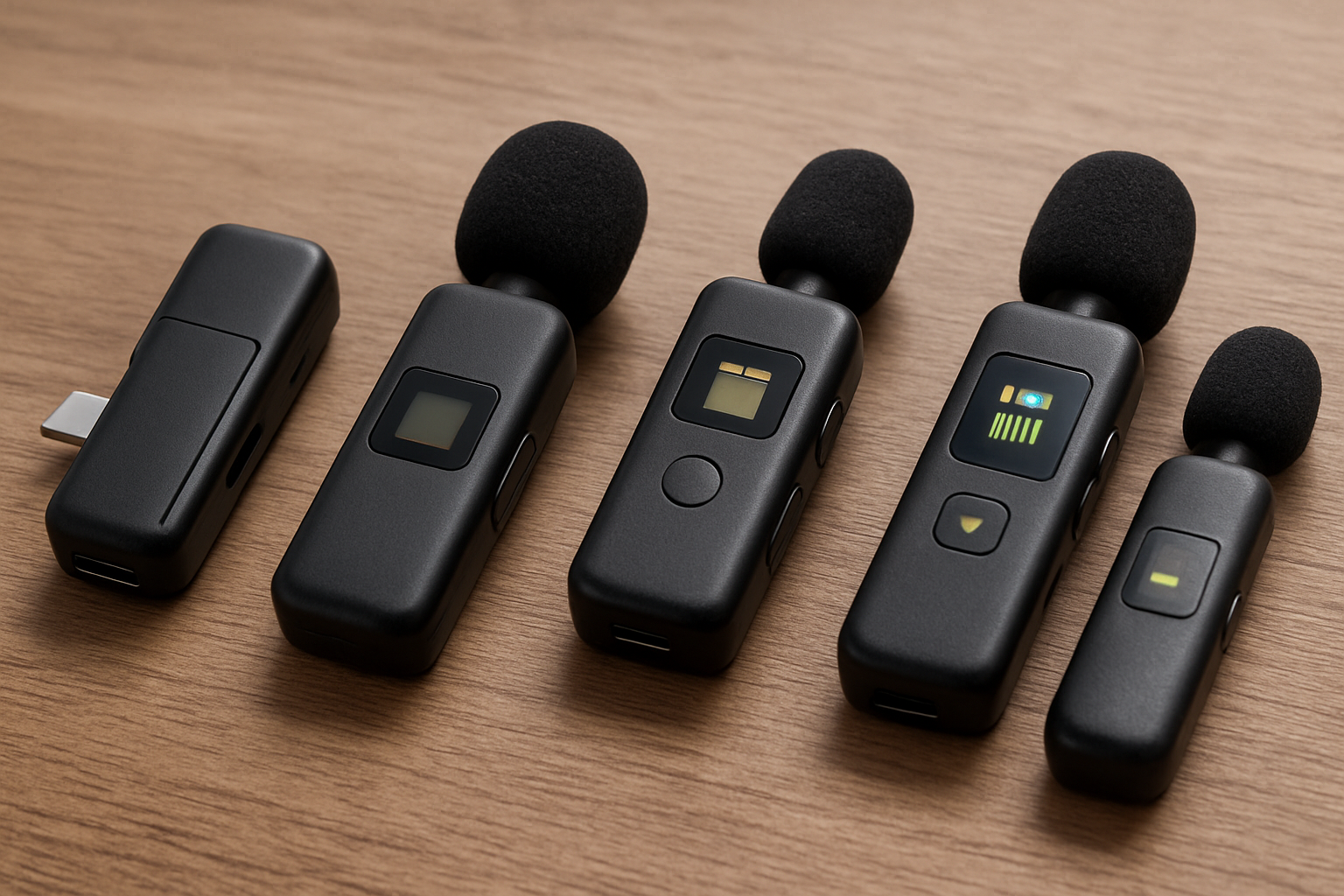
- Understanding Type-C Wireless Microphones in Modern Audio Production
- Digital Audio Transmission Benefits
- Power Efficiency and Battery Management
- Essential Features for Professional Podcast Recording
- Frequency Response Optimization
- Signal-to-Noise Ratio Considerations
- Spotlight: Hridz Hz9 Wireless Rechargeable Type-C Microphone
- Technical Specifications That Matter
- Transmission Stability and Range
- Audio Codec Implementation
- Application-Specific Considerations for Different Content Types
- Interview and Conversational Podcasting
- Solo Commentary and Narration
- Music and Performance Recording
- Setup and Optimization Best Practices
- Environmental Considerations
- Investment Considerations and Future-Proofing
Understanding Type-C Wireless Microphones in Modern Audio Production
The paradigm shift toward USB Type-C connectivity has revolutionized portable audio recording, particularly for content creators demanding professional-grade sound capture without the encumbrance of traditional XLR setups. Type-C wireless microphones represent a convergence of convenience and fidelity, offering plug-and-play functionality with contemporary devices while maintaining broadcast-quality audio transmission.
These sophisticated transducers eliminate the complexity of multi-component recording rigs. Content creators benefit from streamlined workflows where a single Type-C connection facilitates both power delivery and digital audio transmission. The inherent advantages include reduced latency, superior signal integrity, and compatibility with modern smartphones, tablets, and laptops that have embraced the Type-C standard.
Digital Audio Transmission Benefits
Unlike analog counterparts, Type-C wireless microphones leverage digital signal processing directly within the receiver unit. This approach minimizes electromagnetic interference while preserving dynamic range throughout the signal chain. The result is pristine audio capture that maintains clarity even in challenging RF environments.
Power Efficiency and Battery Management
Type-C connectivity enables intelligent power management protocols that extend operational longevity. Many contemporary wireless microphone systems draw power directly from the host device, reducing dependency on discrete battery packs while ensuring consistent performance during extended recording sessions.
Essential Features for Professional Podcast Recording
Discerning podcasters require microphones that deliver consistent performance across diverse acoustic environments. Professional Type-C wireless systems incorporate advanced features that address the unique challenges of spoken-word content creation.
"The difference between amateur and professional podcast audio lies not in the microphone's price point, but in its ability to maintain signal integrity across the entire frequency spectrum while rejecting unwanted ambient noise."
Frequency Response Optimization
Optimal podcast microphones exhibit tailored frequency response curves that emphasize vocal intelligibility. Look for systems featuring presence boost around 2-5kHz, which enhances consonant clarity without introducing harshness. Simultaneously, gentle high-frequency roll-off above 12kHz prevents sibilance while maintaining natural timbre.
Signal-to-Noise Ratio Considerations
Professional-grade wireless systems maintain signal-to-noise ratios exceeding 70dB, ensuring that background noise remains imperceptible during post-production. This specification becomes critical when recording in less-than-ideal acoustic spaces where ambient sound infiltration poses challenges to audio quality.
Spotlight: Hridz Hz9 Wireless Rechargeable Type-C Microphone
The Hridz Hz9 exemplifies innovation in portable wireless audio capture, specifically engineered for content creators who demand professional results without compromising mobility. This compact system addresses the fundamental challenges faced by podcasters, videographers, and musicians seeking reliable wireless audio transmission.
Featuring advanced 2.4GHz transmission technology, the Hz9 delivers crystal-clear audio with minimal latency, making it ideal for real-time recording applications. The rechargeable design eliminates the ongoing expense of disposable batteries while ensuring consistent performance throughout extended recording sessions. Its Type-C connectivity provides universal compatibility with modern devices, from smartphones to professional cameras.
The microphone's omnidirectional pickup pattern captures natural-sounding audio while built-in noise reduction algorithms minimize unwanted background interference. For content creators working in dynamic environments, the Hz9's robust construction and reliable wireless range ensure uninterrupted recording even during movement-intensive productions.
Technical Specifications That Matter
Understanding the nuanced specifications of wireless microphone systems enables informed purchasing decisions that align with specific production requirements. Technical parameters directly impact recording quality and operational reliability.
| Specification | Professional Standard | Impact on Recording Quality |
|---|---|---|
| Operating Range | 50+ meters | Freedom of movement during recording |
| Battery Life | 8+ hours continuous | Uninterrupted long-form content creation |
| Frequency Response | 50Hz - 18kHz | Full-spectrum audio capture |
| Latency | <20ms | Real-time monitoring capability |
Transmission Stability and Range
Professional wireless systems maintain consistent signal strength across their specified operating range. Automatic frequency hopping prevents interference from competing RF sources, while diversity reception technology eliminates dropouts caused by multipath propagation.
Audio Codec Implementation
Advanced compression algorithms balance transmission reliability with audio fidelity. Look for systems implementing adaptive bitrate encoding that adjusts data rates based on RF conditions while preserving essential frequency content.
Application-Specific Considerations for Different Content Types
Various content creation scenarios demand specific microphone characteristics that optimize performance for particular applications. Understanding these requirements ensures optimal equipment selection.
Interview and Conversational Podcasting
Multi-participant recordings benefit from wireless systems with multiple receiver channels and automatic level control. These features prevent audio imbalances while maintaining consistent levels across different speakers. Consider systems with individual gain adjustment for each transmitter to accommodate varying vocal dynamics.
Solo Commentary and Narration
Single-host productions require microphones with exceptional proximity effect control and minimal self-noise. Cardioid or supercardioid polar patterns provide excellent background rejection while maintaining intimate vocal presence. Real-time monitoring capabilities enable immediate adjustment of recording parameters.
Music and Performance Recording
Musical applications demand extended frequency response and high maximum sound pressure level capability. Wireless systems for instrumental recording should feature minimal compression and preserve transient detail essential for musical expression.
Setup and Optimization Best Practices
Proper configuration maximizes the performance potential of Type-C wireless microphone systems while preventing common operational issues that compromise recording quality.
- Conduct thorough RF spectrum analysis before recording to identify interference sources
- Position receivers away from digital devices that generate electromagnetic interference
- Implement proper gain staging to prevent digital clipping while maintaining adequate headroom
- Establish backup frequency coordination for critical recording sessions
- Utilize windscreens and shock mounts to minimize handling noise and plosive artifacts
Environmental Considerations
Recording environments significantly impact wireless transmission reliability. Metal structures, concrete walls, and electronic equipment create RF reflections that potentially disrupt signal integrity. Strategic receiver placement and antenna orientation mitigate these challenges while ensuring consistent performance.
Investment Considerations and Future-Proofing
Selecting wireless microphone systems requires balancing immediate requirements with long-term scalability. Quality equipment represents a substantial investment that should accommodate evolving production needs and technological advancement.
Consider systems with firmware update capability that enables feature enhancement and compatibility improvements over time. Modular designs allow component upgrades without replacing entire systems, providing better long-term value for professional users.
The transition toward Type-C connectivity represents more than convenience—it signifies the industry's movement toward unified digital audio standards. Investing in Type-C compatible systems ensures compatibility with emerging devices and production workflows that will define content creation's future landscape.
Professional audio equipment from established manufacturers like Hridz combines proven engineering with competitive pricing, making high-quality wireless solutions accessible to independent content creators and established production houses alike. The key lies in identifying systems that deliver professional performance while maintaining operational simplicity essential for creative workflows.






Share:
Photography Light Filters: Complete Guide to Creative Effects
Essential Audio Mixer Tips for Professional Sound Quality