

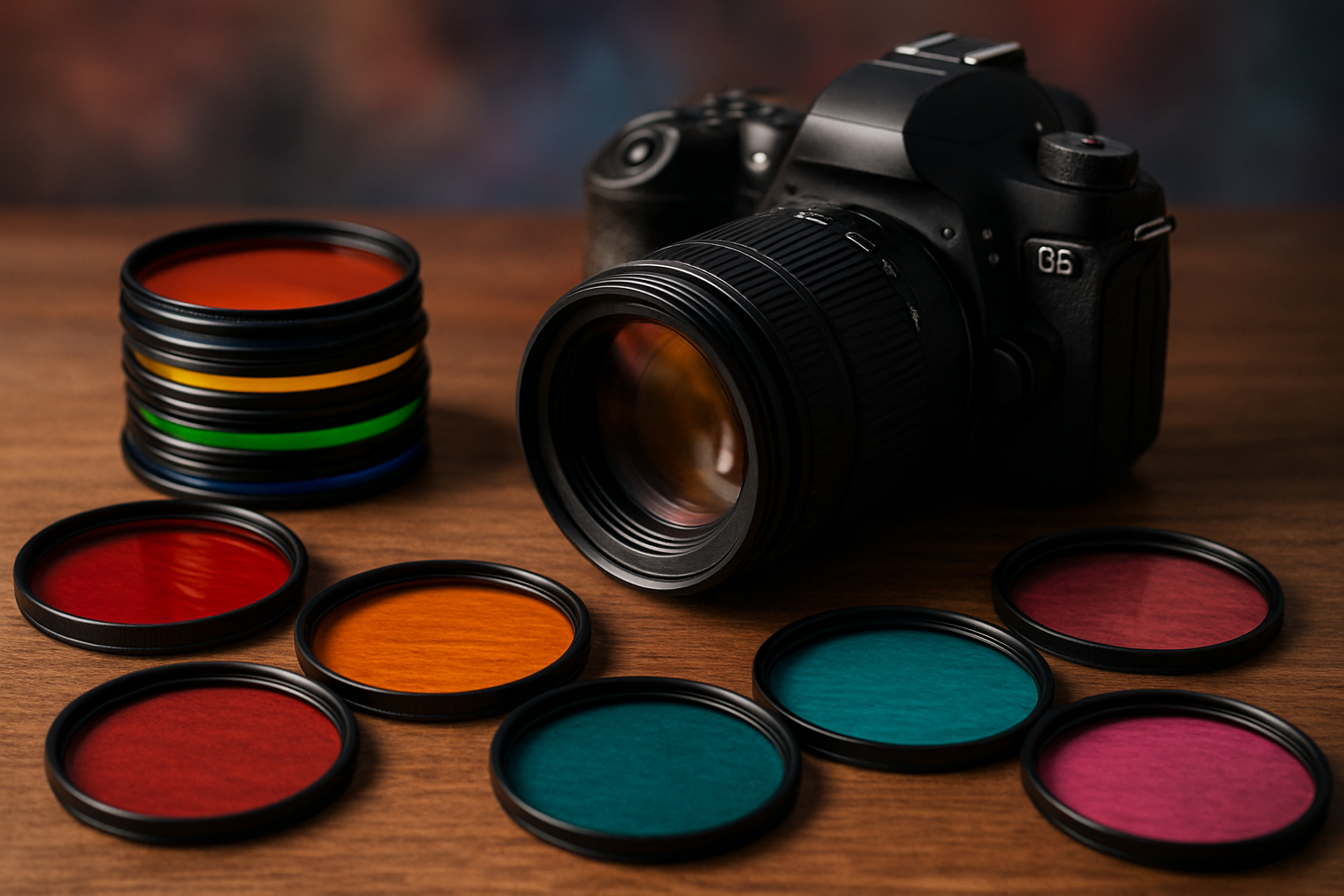
- Understanding Photography Light Filters
- Types of Photography Light Filters
- Color Temperature Correction Filters
- Diffusion and Softening Filters
- Neutral Density Variations
- Creative Effects with Light Filters
- Atmospheric and Mood Enhancement
- Color Grading and Stylization
- Filter Selection Guide
- Professional Techniques and Best Practices
- Layering and Combination Strategies
- Positioning and Distance Considerations
- Equipment Compatibility and Setup
- Common Questions About Photography Light Filters
Understanding Photography Light Filters
Photography light filters represent essential tools that manipulate illumination characteristics, transforming mundane captures into extraordinary visual narratives. These optical accessories modify spectral qualities, intensity distributions, and chromatic properties of light sources during photographic processes.
Light filtration fundamentally alters photographic outcomes through selective wavelength transmission, diffusion modulation, and directional control. Professional photographers leverage these modifiers to achieve specific aesthetic goals while maintaining technical precision. The strategic implementation of filtration systems enhances creative expression beyond natural lighting limitations.
Modern photography light filters encompass diverse materials including polyester films, acetate substrates, and specialized gel compositions. Each variant offers unique transmission characteristics optimized for particular applications. Understanding these foundational principles enables photographers to make informed decisions regarding filter selection and deployment strategies.
Types of Photography Light Filters
Color Temperature Correction Filters
Color temperature correction filters address white balance discrepancies between artificial lighting sources and ambient conditions. These filters compensate for kelvin temperature variations, ensuring accurate color reproduction across mixed lighting scenarios.
Tungsten-to-daylight conversion filters (CTB) cool warm incandescent sources to match daylight color temperatures. Conversely, daylight-to-tungsten filters (CTO) warm cooler light sources for consistency with warmer ambient conditions. Quarter and half-correction variants provide intermediate adjustments for subtle modifications.
Diffusion and Softening Filters
Diffusion filters scatter light rays through microscopic surface textures or embedded materials, creating softer shadow transitions and reduced contrast ratios. These modifiers eliminate harsh lighting artifacts while maintaining overall illumination levels.
Frost filters provide subtle diffusion effects ideal for portrait applications. Opal variants offer more pronounced scattering for dramatic softening effects. Grid cloth delivers directional diffusion while preserving light directionality characteristics.
Neutral Density Variations
Neutral density filters reduce light transmission uniformly across the visible spectrum without introducing color shifts. These tools enable exposure control in bright conditions while maintaining desired aperture and shutter speed combinations.
Graduated neutral density filters transition from opaque to transparent regions, balancing exposure differences between sky and foreground elements. Variable density options provide adjustable attenuation through rotating polarizer mechanisms.
Creative Effects with Light Filters
Atmospheric and Mood Enhancement
Atmospheric filters simulate environmental conditions including fog, haze, and ethereal lighting effects. These modifiers introduce controlled aberrations that enhance emotional resonance within photographic compositions.
"The judicious application of atmospheric filters transforms ordinary scenes into compelling visual stories that resonate with viewers on an emotional level."
Pro-mist filters reduce contrast while introducing subtle halation around bright sources. Double fog variants create pronounced atmospheric effects suitable for dramatic portraiture. These tools excel in cinematographic applications where mood establishment proves critical.
Color Grading and Stylization
Creative color filters introduce deliberate chromatic shifts that establish distinctive visual aesthetics. These tools enable in-camera color grading without extensive post-processing requirements.
Sepia and warming filters enhance golden hour characteristics throughout various lighting conditions. Cooling filters create contemporary, clinical aesthetics popular in commercial applications. Magenta and green correction filters address fluorescent lighting aberrations while enabling creative color palettes.
Filter Selection Guide
Selecting appropriate photography light filters requires careful consideration of shooting conditions, equipment compatibility, and creative objectives. Material quality significantly impacts optical performance and longevity under professional usage scenarios.
| Filter Type | Primary Application | Light Reduction | Color Impact |
|---|---|---|---|
| 1/4 CTB | Slight cooling | Minimal | Subtle blue shift |
| Full CTO | Daylight to tungsten | 1.3 stops | Strong orange shift |
| Light Frost | Gentle diffusion | 0.5 stops | None |
| 0.6 ND | Exposure reduction | 2 stops | None |
High-quality gel filters offer superior optical clarity and consistent color rendition compared to budget alternatives. Professional-grade options resist fading, maintain dimensional stability, and provide predictable performance characteristics essential for commercial applications.
Filter mounting systems vary between clip-on holders, magnetic attachments, and integrated softbox designs. Consider workflow efficiency and equipment compatibility when selecting mounting solutions for specific lighting configurations.
Professional Techniques and Best Practices
Layering and Combination Strategies
Advanced practitioners combine multiple filters to achieve complex lighting characteristics impossible with single-filter applications. Layering techniques require careful consideration of cumulative light loss and potential color interaction effects.
Combining diffusion with color correction filters creates controlled atmospheric effects while maintaining accurate color reproduction. Stacking neutral density with creative color filters enables extended exposure techniques under bright conditions while preserving desired chromatic characteristics.
Positioning and Distance Considerations
Filter placement distance from light sources dramatically affects diffusion characteristics and coverage uniformity. Closer positioning creates more pronounced effects while reducing overall coverage area.
Barn door integration allows selective filtration within single light sources, creating graduated effects across illumination fields. This technique proves invaluable for background separation and selective subject enhancement applications.
Equipment Compatibility and Setup
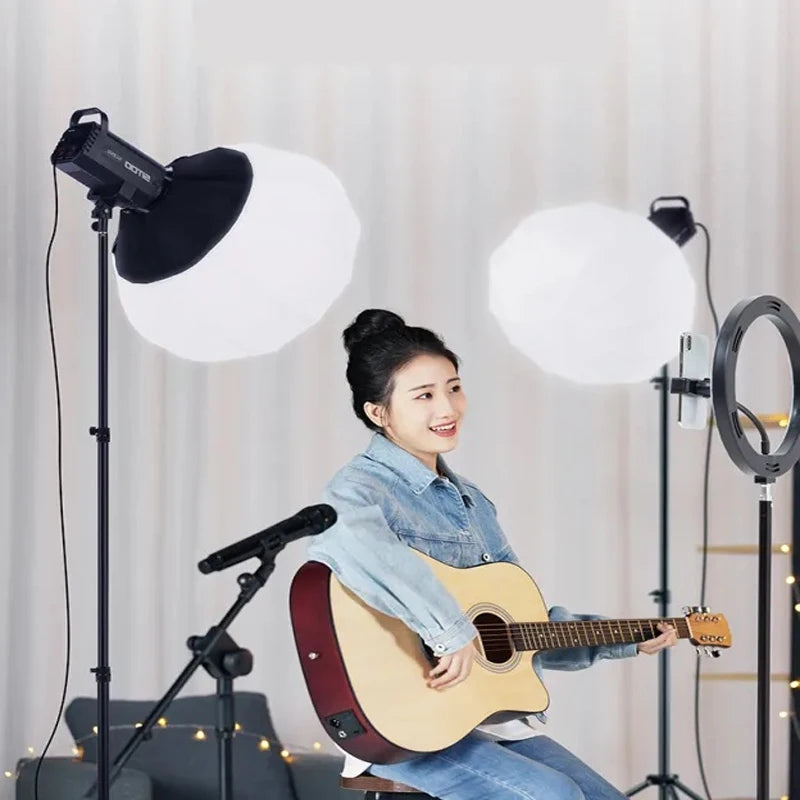
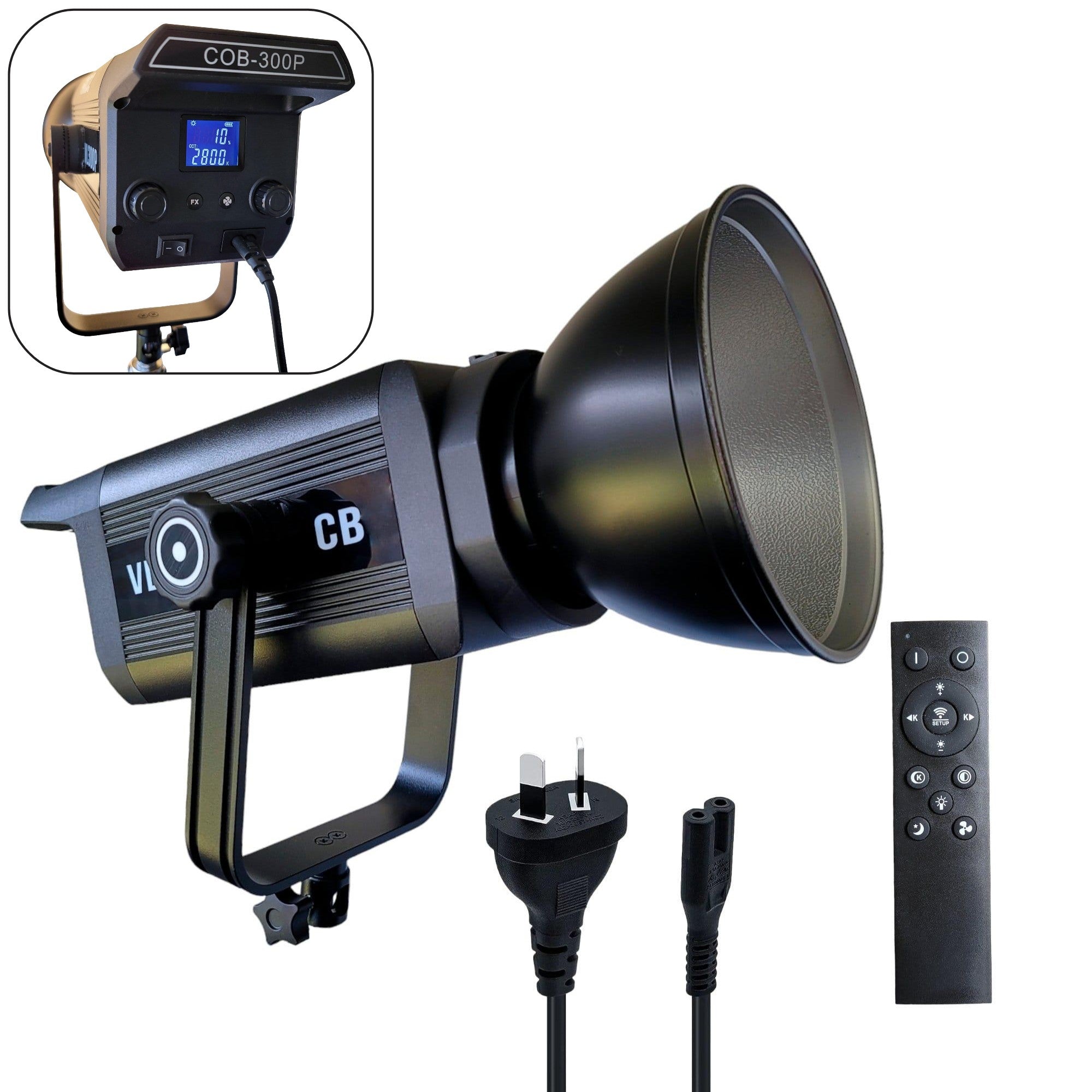
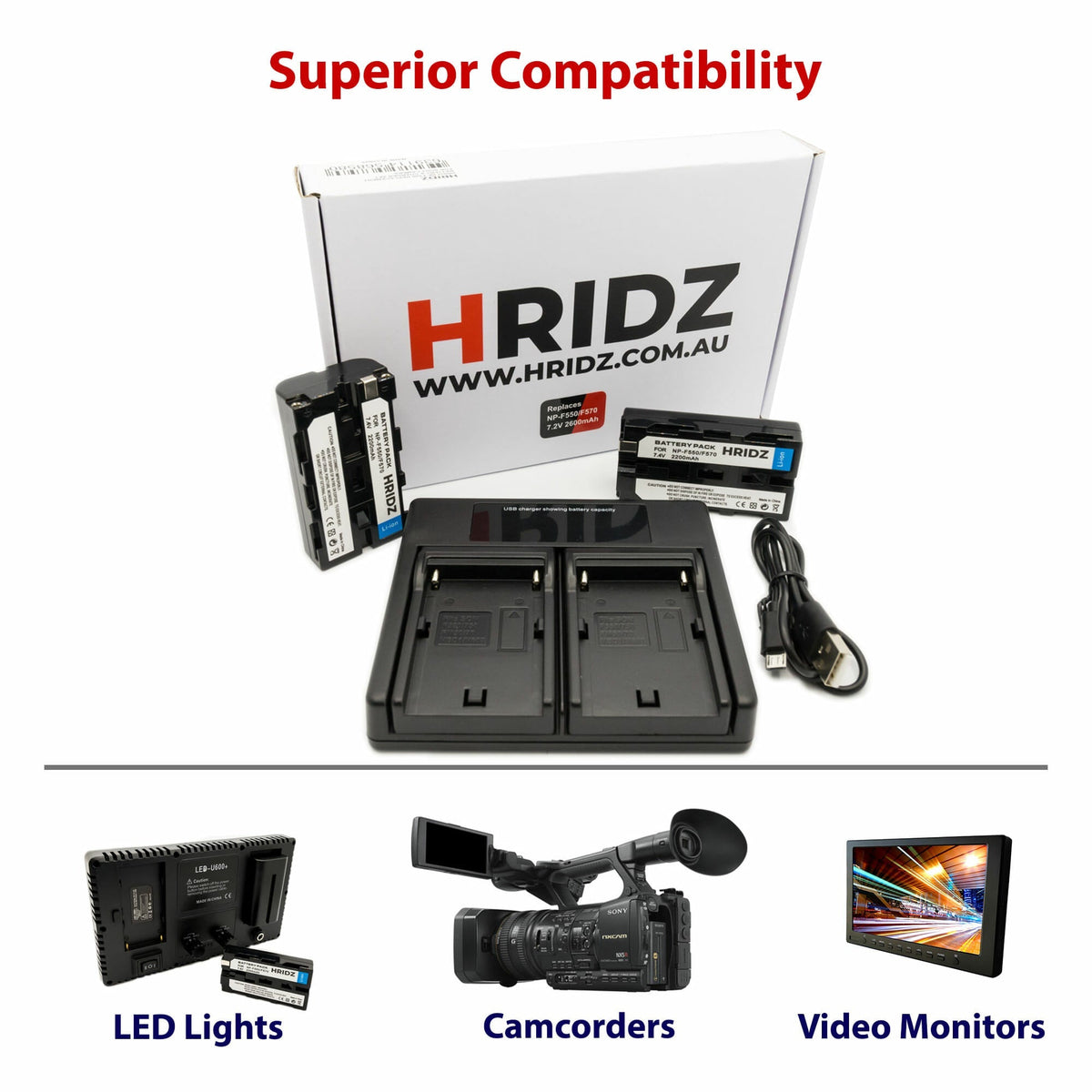
Photography light filters integrate seamlessly with various lighting equipment including continuous LED panels, strobe systems, and tungsten fixtures. Proper heat management becomes critical with high-output sources to prevent filter degradation.
- Verify filter size compatibility with existing lighting modifiers
- Consider heat resistance ratings for high-wattage applications
- Evaluate mounting system flexibility for diverse shooting scenarios
- Assess filter thickness impact on modifier attachment mechanisms
Professional lighting stands and softbox systems from quality manufacturers typically accommodate standard filter sizes without modification requirements. However, custom solutions may prove necessary for specialized equipment configurations or unique creative applications.
Common Questions About Photography Light Filters
How do photography light filters differ from lens filters? Photography light filters modify illumination at the source, affecting all elements within the scene uniformly. Lens filters selectively modify light entering the camera, potentially creating uneven effects across the frame composition.
Can digital post-processing replace physical light filters? While post-processing offers extensive correction capabilities, physical filters provide natural light interaction that digital methods struggle to replicate authentically. Shadow transitions, specular highlights, and atmospheric effects benefit significantly from in-camera filtration.
What maintenance requirements do light filters have? Regular cleaning with appropriate solvents maintains optical clarity and prevents contamination buildup. Store filters in protective sleeves away from direct sunlight to prevent premature fading and material degradation.
Photography light filters represent indispensable tools for creative professionals seeking to elevate their visual storytelling capabilities. Understanding filter characteristics, application techniques, and equipment integration enables photographers to achieve consistent, professional results while expanding creative possibilities beyond natural lighting constraints.





Share:
IEM vs Standard Earbuds: Which is Better for Musicians?
Best Type-C Wireless Microphones for Content Creation 2026