

- The Material Science Behind Professional Light Stand Durability
- Tensile Strength Considerations
- Why Stainless Steel Outperforms Competing Materials
- The Hidden Costs of Material Failure
- A Solution Engineered for Professional Demands
- Load Capacity Engineering: Beyond Manufacturer Specifications
- Testing Protocols That Matter
- Maintenance Requirements: Time Versus Investment
- Environmental Adaptability Across Usage Scenarios
- Chemical Resistance in Studio Environments
- Long-Term Value Proposition
- Safety Considerations in Professional Environments
- Integration With Professional Workflows
- Frequently Asked Questions
- Does stainless steel's weight make transport impractical?
- Can stainless steel stands damage delicate flooring?
- How does stainless steel perform in extremely cold conditions?
- Making the Professional Choice
When positioning studio lighting equipment for professional shoots, the foundation of your setup determines everything. A collapsing light stand mid-session doesn't just interrupt workflow—it can destroy expensive equipment and compromise client relationships. The conversation around professional light stand durability often centers on materials, and for compelling reasons, stainless steel emerges as the preeminent choice for photographers, videographers, and content creators who refuse to compromise.
The Material Science Behind Professional Light Stand Durability
Understanding metallurgical properties separates amateur equipment purchases from professional investments. Stainless steel's chromium content—typically 10.5% or higher—creates a passive oxide layer that regenerates when damaged. This self-healing characteristic provides unparalleled corrosion resistance compared to aluminum alternatives or powder-coated options that eventually succumb to environmental exposure.
The austenitic grade commonly used in premium light stands exhibits exceptional toughness across temperature ranges. Unlike materials that become brittle in cold environments or soften under heat from continuous lighting operation, stainless steel maintains structural integrity. This consistency matters when transporting equipment between climate-controlled studios and outdoor locations where thermal shock could compromise lesser materials.
Tensile Strength Considerations
Professional scenarios demand equipment that withstands substantial cantilever loads. A heavy-duty softbox paired with a powerful video light creates significant torque at extension points. Stainless steel's tensile strength—often exceeding 515 MPa—distributes these forces without permanent deformation. The elastic modulus ensures the stand returns to true vertical positioning even after supporting asymmetric loads.
Why Stainless Steel Outperforms Competing Materials
Aluminum stands proliferate in the market due to perceived portability advantages. However, this reasoning collapses under scrutiny. While aluminum weighs less per cubic centimeter, achieving equivalent load-bearing capacity requires thicker walls and larger diameter tubing, negating much of the weight differential.
Carbon steel presents another alternative, offering strength at lower cost. Yet without stainless steel's chromium oxide protection, carbon steel oxidizes rapidly in humid environments. Photographers working near coastal areas or in tropical climates watch their investments deteriorate within seasons. The false economy of saving initially becomes apparent when replacement cycles accelerate dramatically.
The Hidden Costs of Material Failure
Equipment failure during paid assignments carries consequences beyond replacement costs. Client confidence erodes when technical difficulties disrupt sessions. DJs and musicians relying on consistent lighting for performances cannot afford mid-event collapses. The reputational damage from a single failure often exceeds multiple equipment purchases.
A Solution Engineered for Professional Demands
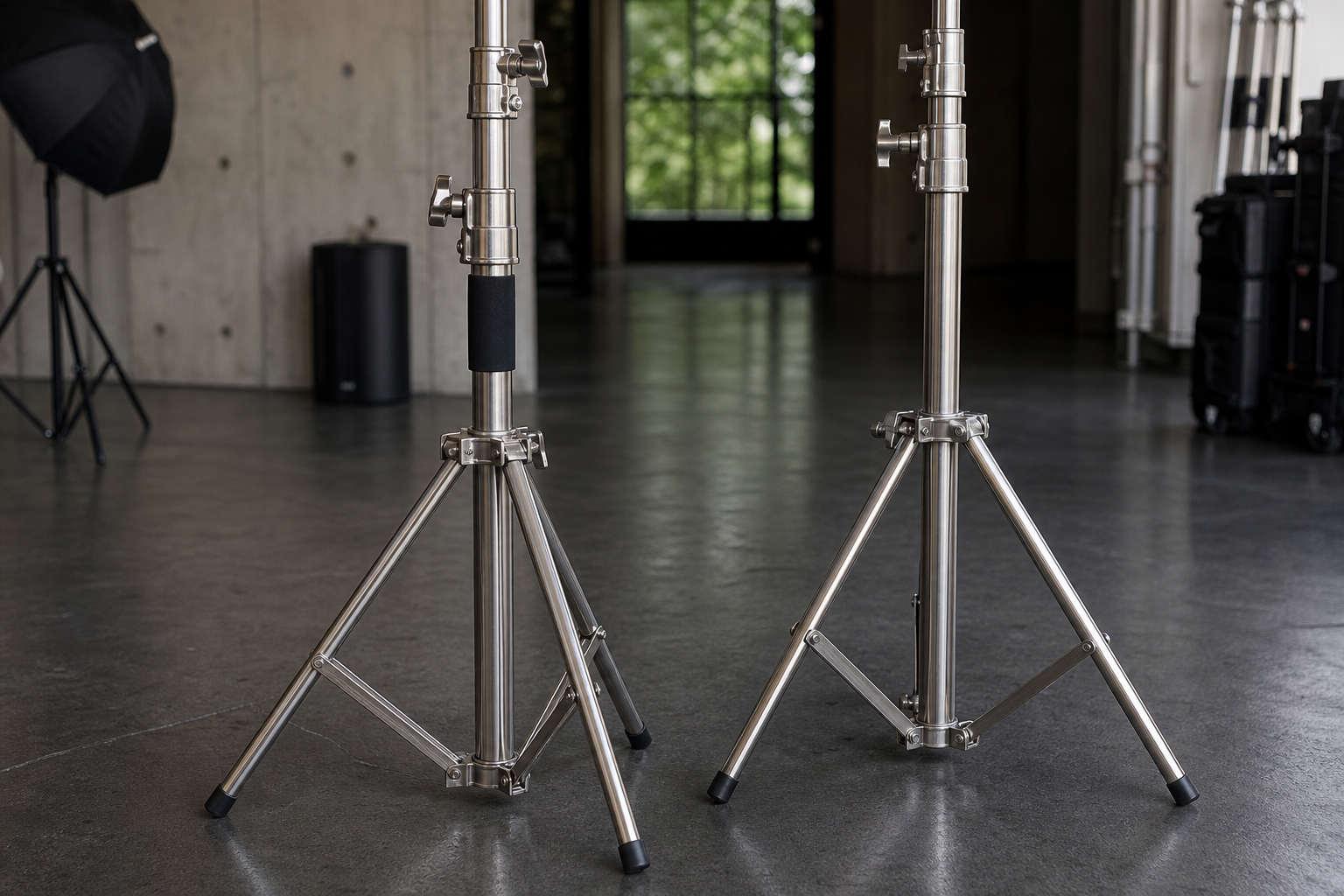
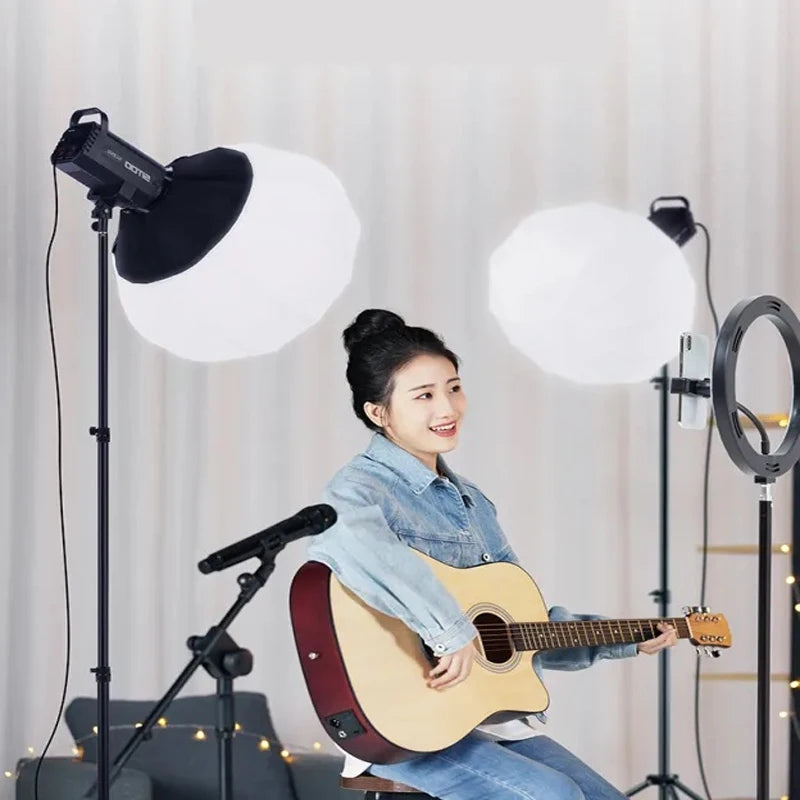
Addressing these durability imperatives requires thoughtful engineering. The Stainless Steel 260 cm Heavy Duty Light Stand represents a purposeful approach to supporting professional lighting systems. This stand extends to impressive heights while maintaining stability through precision-machined locking mechanisms and a reinforced tripod base.
Constructed from premium-grade stainless steel throughout, it eliminates weak points where dissimilar metals might corrode galvanically. The three-section design telescopes smoothly, with each segment sized to prevent torsional twisting under load. Rubber feet provide grip without marking studio floors, while the standard spigot accommodates universal mounting hardware.
For videographers shooting product demonstrations or photographers requiring overhead lighting angles, the 260 cm maximum height opens creative possibilities without sacrificing the robust foundation necessary for safety. The stand's 5 kg weight—substantial yet manageable—speaks to the material density that ensures stability rather than the hollow fragility of lighter alternatives.
Load Capacity Engineering: Beyond Manufacturer Specifications
Published weight ratings tell an incomplete story. Understanding how stands distribute loads reveals why construction methodology matters as much as material selection. Center of gravity calculations determine whether a stand tips at rated capacity or maintains equilibrium with safety margins.
Professional equipment should perform reliably at 70% of stated capacity indefinitely, reserving the upper range for brief peak demands rather than sustained operation.
Stainless steel's rigidity prevents the gradual sagging that afflicts aluminum stands supporting heavy modifiers over extended periods. A softbox positioned at full extension maintains its angle throughout marathon shooting days rather than drooping as metal fatigue accumulates in softer materials.
Testing Protocols That Matter
Laboratory testing under ideal conditions rarely reflects field realities. Vibration from music performances, wind gusts during outdoor shoots, and repeated setup-breakdown cycles impose cumulative stresses. Stainless steel's fatigue resistance means the thousandth deployment maintains the structural integrity of the first.
Maintenance Requirements: Time Versus Investment
Professional workflows cannot accommodate equipment that demands constant attention. Stainless steel's passive maintenance profile liberates creative professionals to focus on craft rather than tool upkeep. A simple wipe-down removes dust and fingerprints—no special treatments, protective coatings, or rust inhibitors required.
Contrast this with aluminum stands requiring periodic inspection for stress cracks or powder-coated steel needing touch-up paint where chips expose substrate. The time investment compounds across equipment inventories, making stainless steel's upfront premium a productivity multiplier over ownership lifespan.
Environmental Adaptability Across Usage Scenarios
Karaoke singers performing in venues with variable climate control need equipment that performs identically regardless of conditions. Stainless steel remains impervious to humidity extremes that would oxidize carbon steel or cause galvanic corrosion in mixed-metal assemblies.
Outdoor photography particularly benefits from corrosion resistance. Morning dew, unexpected rain, or proximity to sprinkler systems during location shoots create conditions where lesser materials begin deteriorating immediately. Stainless steel dries without consequence, ready for the next assignment without inspection anxiety.
Chemical Resistance in Studio Environments
Cleaning agents used in professional studios sometimes contain compounds aggressive toward certain metals. Stainless steel's chemical stability prevents reactions with common disinfectants, allowing thorough sanitation protocols without material degradation concerns.
Long-Term Value Proposition
Calculating true equipment cost requires lifecycle analysis rather than purchase price comparison. A stainless steel stand serving ten years without performance degradation delivers superior value compared to aluminum alternatives requiring replacement every three years.
| Material | Initial Cost | Lifespan | Cost Per Year |
|---|---|---|---|
| Stainless Steel | Higher | 10+ years | Lowest |
| Aluminum | Moderate | 3-5 years | Moderate |
| Carbon Steel | Lower | 2-4 years | Higher |
Resale value further tilts economics toward quality materials. Professional-grade stainless steel equipment retains significant value in secondary markets, recovering portions of initial investment when upgrading or consolidating gear.
Safety Considerations in Professional Environments
Equipment failure poses liability risks beyond immediate financial loss. A toppling light stand injuring a client or damaging venue property creates legal exposure. Insurance carriers increasingly scrutinize equipment quality when evaluating claims, potentially denying coverage for incidents involving demonstrably inadequate gear.
Stainless steel's predictable performance characteristics allow confident load calculations. Engineers can model stress distributions accurately, whereas materials with variable properties introduce uncertainty. This predictability translates directly to safer setups and reduced incident probability.
Integration With Professional Workflows
Equipment reliability affects psychological aspects of professional practice. Confidence in gear allows full creative focus rather than mental energy diverted to equipment concerns. Musicians and DJs coordinating complex audiovisual presentations require absolute certainty that lighting remains positioned throughout performances.
Videographers executing time-sensitive shoots cannot pause for stand adjustments or replacements. The opportunity cost of missed shots due to equipment failure far exceeds any savings from budget alternatives. Professional light stand durability becomes foundational to consistent creative output.
Frequently Asked Questions
Does stainless steel's weight make transport impractical?
Modern transportation solutions—rolling cases, padded bags with shoulder straps—mitigate weight concerns. The stability advantages during use typically outweigh the modest transport effort increase.
Can stainless steel stands damage delicate flooring?
Quality stands incorporate protective feet precisely to prevent surface damage. The material itself poses no greater flooring risk than alternatives when properly designed.
How does stainless steel perform in extremely cold conditions?
Unlike materials that become brittle at low temperatures, austenitic stainless steel maintains ductility and toughness down to cryogenic ranges, making it ideal for winter outdoor shoots.
Making the Professional Choice
Selecting equipment based on professional light stand durability criteria rather than initial cost distinguishes serious practitioners from hobbyists. Stainless steel's comprehensive advantages—corrosion resistance, structural integrity, minimal maintenance, environmental adaptability, and long-term value—create compelling justification for the material premium.
For photographers, videographers, DJs, musicians, and karaoke performers building sustainable creative businesses, equipment investments should align with professional aspirations. Platforms like Hridz.com.au recognize this by curating quality options that serve demanding applications rather than populating inventory with disposable alternatives.
The foundation of excellent creative work often rests on unsexy technical decisions—choosing materials, verifying specifications, and prioritizing reliability over flashy features. Heavy-duty light stands exemplify this principle. When stainless steel supports your vision, quite literally, every other aspect of production becomes easier, safer, and more predictable.





Share:
Audio Cable Guide: Choosing the Right Cables for Your Setup
Photography Lighting Basics: Master Natural and Artificial Light