

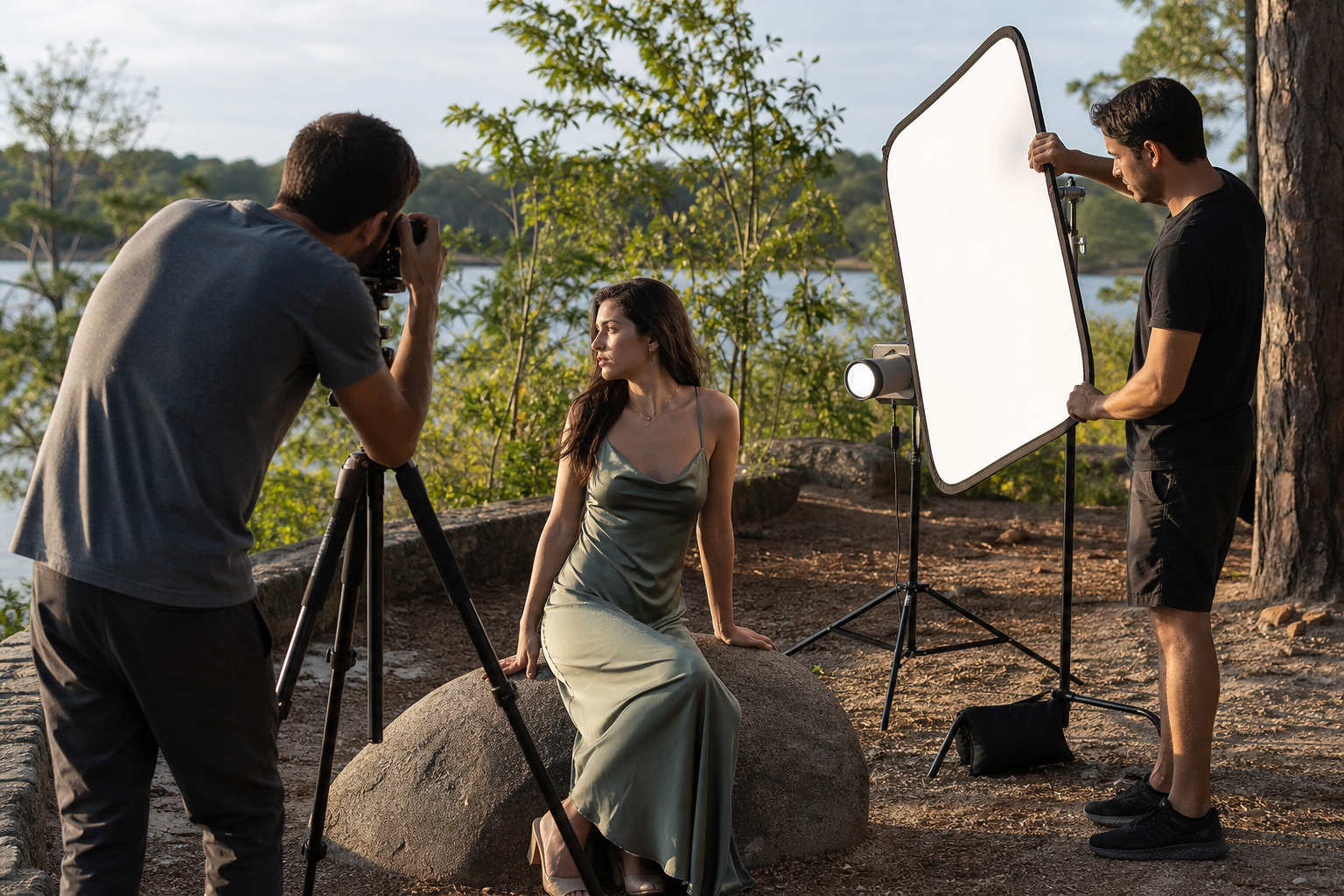
- Understanding Your Portable Lighting Arsenal
- Essential Equipment for Mobile Lighting Setups
- Selecting Appropriate Light Stands
- Power Solutions and Battery Management
- The Three-Point Lighting Technique for Location Work
- Rapid Deployment Strategies
- Overcoming Common Location Lighting Challenges
- Managing Ambient Light Contamination
- Stabilizing Equipment in Adverse Conditions
- Advanced Techniques for Setup Portable Lighting
- Maintenance and Care for Longevity
- Frequently Asked Questions About Portable Lighting
- How Many Lights Do I Actually Need for Basic Setups?
- What Color Temperature Should I Choose?
- Can I Mix Different Light Types?
- Optimizing Your Workflow
- Conclusion
Portable lighting transforms mundane on-location shoots into professional-grade productions. Whether you're capturing wedding ceremonies in dimly lit venues or filming documentary segments outdoors, mastering the art of mobile illumination separates amateur content from polished, broadcast-quality work. This comprehensive guide walks you through the essential techniques for deploying portable lighting equipment efficiently and effectively.
Understanding Your Portable Lighting Arsenal
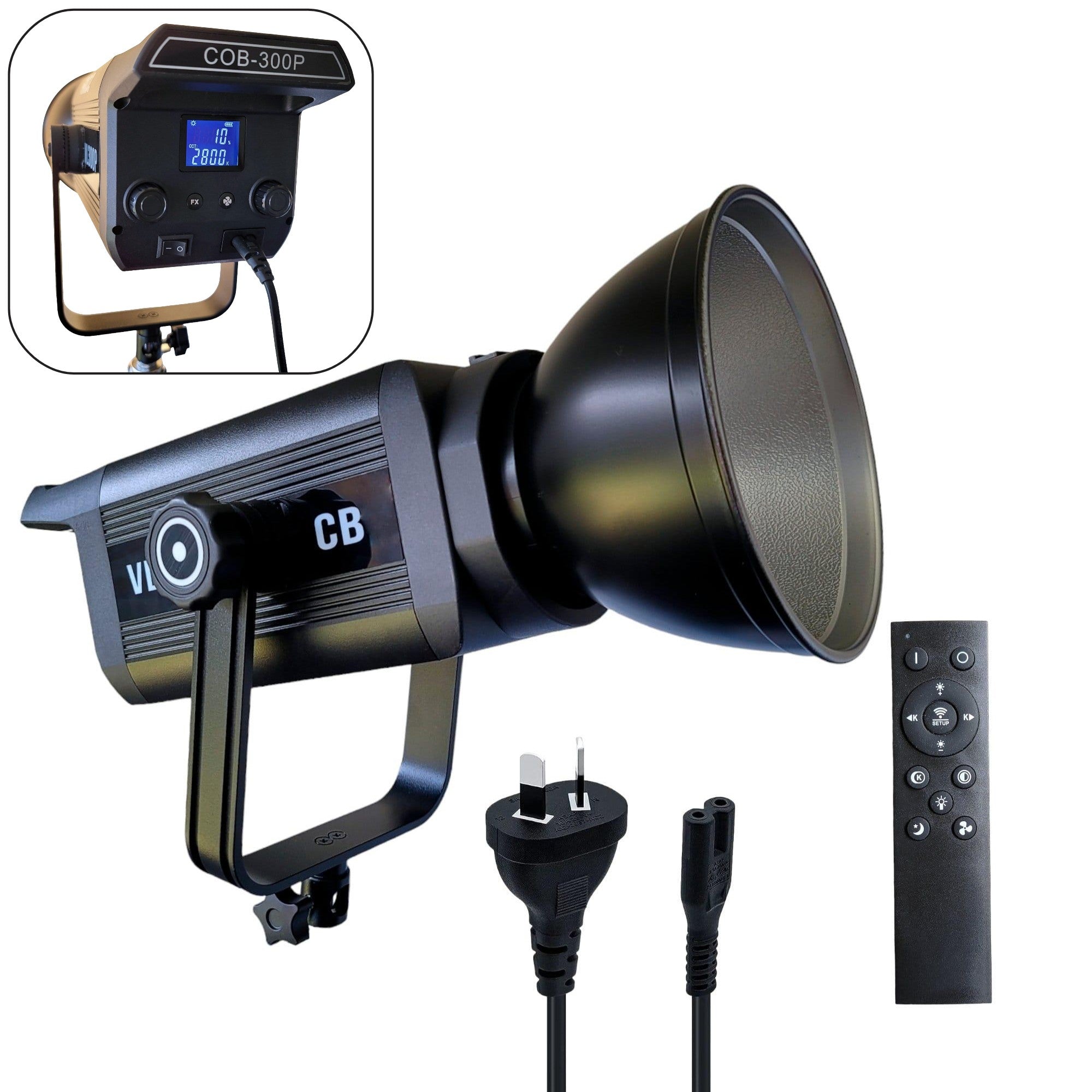
Before venturing into the field, familiarize yourself with the diverse array of portable lighting instruments available. LED panels have revolutionized on-location work, offering continuous illumination with minimal heat generation and exceptional battery longevity. These versatile units range from compact pocket-sized fixtures to expansive bi-color panels that rival traditional studio lights.
Speedlights and strobes provide another dimension to your toolkit. These battery-powered flash units deliver powerful bursts of light, perfect for freezing action or overpowering harsh midday sun. The portability factor becomes paramount when selecting equipment—weight, durability, and power consumption directly impact your operational efficiency during extended shoots.
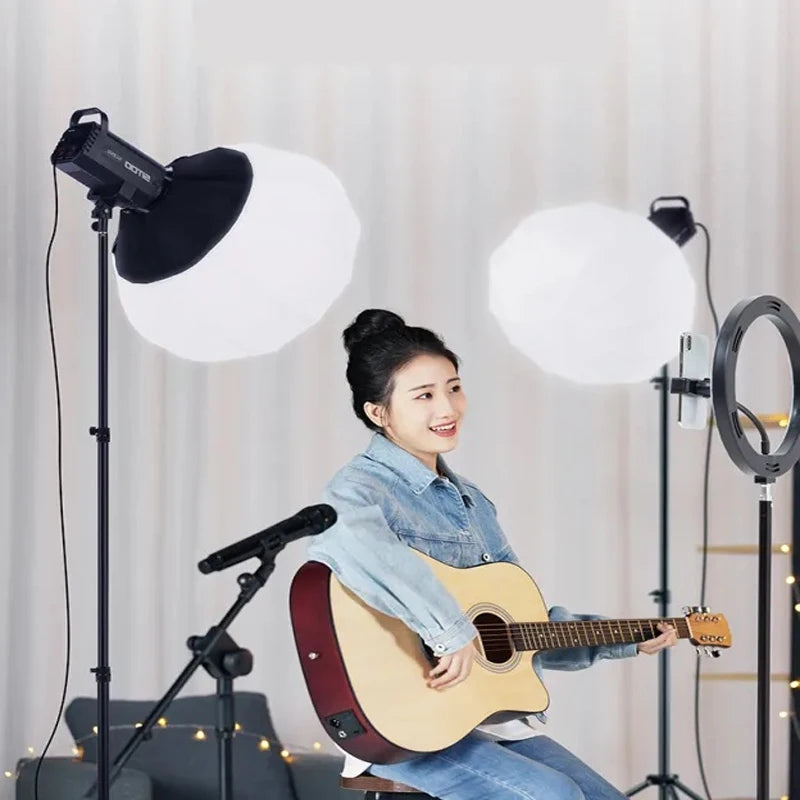
Light modifiers constitute the third pillar of your portable setup. Softboxes, umbrellas, and diffusion panels shape raw light into flattering, professional-quality illumination. Modern collapsible softboxes fold into remarkably compact configurations, making transportation effortless while maintaining robust construction standards that withstand demanding field conditions.
Essential Equipment for Mobile Lighting Setups
Selecting Appropriate Light Stands
Light stands serve as the skeletal framework supporting your entire lighting architecture. Aluminum alloy stands offer the optimal balance between structural integrity and portability. Seek models featuring air-cushioned mechanisms that prevent catastrophic equipment drops when loosening tension locks. Compact travel stands with reduced maximum heights sacrifice some versatility but prove invaluable when working in confined spaces or prioritizing minimal gear footprint.
C-stands represent the premium choice for professional applications, though their substantial weight demands careful consideration. Their distinctive articulating arms and superior stability justify the additional burden when deploying heavy modifiers or working in unpredictable outdoor environments where wind gusts threaten lighter alternatives.
Power Solutions and Battery Management
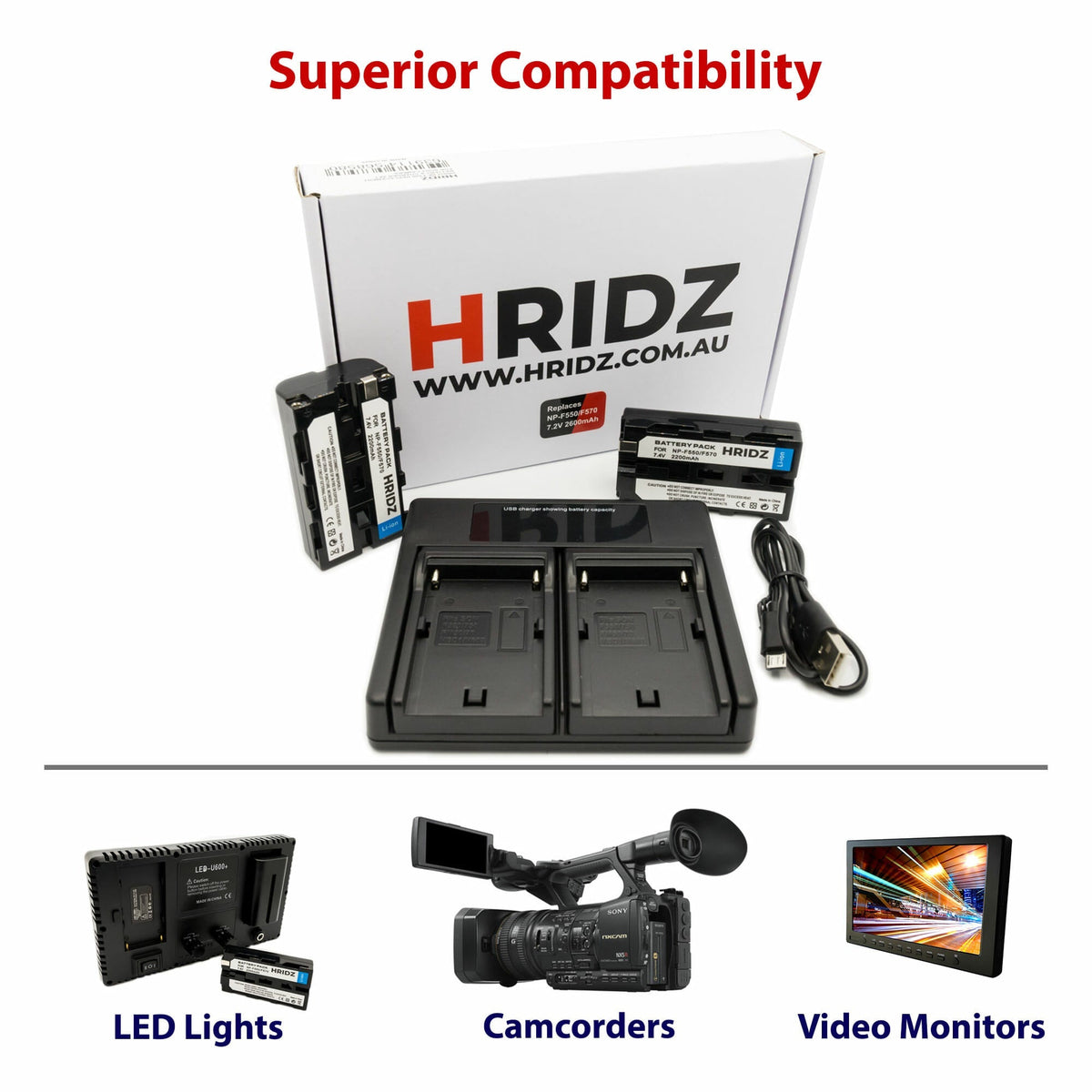
Reliable electrical supply determines whether your shoot proceeds smoothly or devolves into frustrating delays. High-capacity lithium-ion batteries have become the industry standard, offering impressive runtime while maintaining reasonable weight. Always pack redundant power sources—the golden rule stipulates carrying double the anticipated battery requirement.
External V-mount or Gold-mount batteries adapt to multiple devices through various plate systems, creating a standardized power ecosystem across your equipment inventory. This interoperability eliminates the chaos of managing proprietary battery formats for each piece of gear, streamlining your workflow considerably.
The Three-Point Lighting Technique for Location Work
The foundational three-point lighting paradigm adapts beautifully to portable setups. Your key light establishes the primary illumination direction and intensity. Position this dominant source approximately 45 degrees from your subject's centerline, elevated slightly above eye level to create natural-looking shadows that define facial contours and add dimensional depth.
The fill light mitigates overly harsh shadows created by the key, reducing contrast ratios to levels appropriate for your creative vision. Reduce the fill intensity to roughly half the key light's output—measured in stops—to maintain modeling while preventing flat, featureless lighting that lacks visual interest. Portable LED panels with variable dimming excel in this supporting role.
Finally, the backlight separates your subject from the background, creating that coveted three-dimensional quality absent in amateur productions. This rim lighting accentuates edges and adds professional polish. Even a modest battery-powered LED positioned behind and above your subject produces remarkable results when adjusted to appropriate intensity levels.
Rapid Deployment Strategies
Time efficiency distinguishes professional operators from hobbyists struggling with equipment. Develop a systematic approach to unpacking and assembling your lighting configuration. Group related components together during transport—keep each light with its corresponding stand, modifier, and power supply in designated bags or cases.
Create a mental checklist that becomes second nature through repetition. Extend stands before attaching lights to prevent accidental toppling. Secure all locking mechanisms firmly but avoid overtightening, which can strip threads and compromise equipment longevity. Run abbreviated test exposures before your subject arrives, confirming proper exposure values and identifying any technical issues requiring attention.
The difference between adequate lighting and exceptional illumination often resides in those final refinement adjustments—minor positioning tweaks, subtle intensity modifications, or slight modifier angle changes that elevate your work from competent to compelling.
Overcoming Common Location Lighting Challenges
Managing Ambient Light Contamination
Existing environmental illumination frequently conflicts with your carefully crafted lighting scheme. Mixed color temperatures create particularly vexing problems—fluorescent overhead fixtures casting sickly green hues while daylight streams through windows with cool blue tonality. Gel filters applied to your portable lights can match ambient sources, or alternatively, you might overpower unwanted light entirely with sufficiently powerful strobes.
Window light, while often beautiful, proves notoriously inconsistent. Cloud movements dramatically alter intensity and quality within seconds. When relying on natural illumination as a component of your setup, monitor changes vigilantly and adjust your supplementary portable lights accordingly to maintain consistency across your footage or image sequence.
Stabilizing Equipment in Adverse Conditions
Outdoor locations present stability challenges absent in controlled studio environments. Wind remains the primary antagonist, capable of toppling inadequately secured stands with alarming speed. Sandbags constitute essential ballast—distribute weight across stand legs rather than hanging all bags from the central column, which can create instability.
Uneven terrain demands creative solutions. Adjustable leg angles on quality stands accommodate slopes and irregular surfaces. When working on particularly treacherous ground, consider lowering stand heights and employing wider leg spreads to create more stable base triangles, even if this necessitates positioning lights closer to subjects.
Advanced Techniques for Setup Portable Lighting
Once fundamental principles become intuitive, explore advanced methodologies that distinguish exceptional work. Cross-lighting employs multiple sources from opposing angles, creating complex shadow patterns and highlighting texture with remarkable effectiveness. This technique works beautifully for product photography or adding drama to environmental portraits.
Motivated lighting mimics realistic light sources within your scene. If filming an interview near a window, position your key light to simulate natural window illumination, maintaining narrative believability. This thoughtful approach demonstrates sophisticated understanding beyond merely illuminating subjects adequately.
| Lighting Scenario | Recommended Equipment | Key Consideration |
|---|---|---|
| Outdoor Portraits | Battery-powered strobes with softboxes | Overpowering harsh sunlight |
| Documentary Interviews | Bi-color LED panels with diffusion | Matching ambient color temperature |
| Event Coverage | Compact on-camera LED lights | Mobility and quick repositioning |
| Product Demonstrations | Multiple LED panels with modifiers | Even illumination and texture control |
Maintenance and Care for Longevity
Portable lighting equipment endures considerable wear during location work. Implement rigorous maintenance protocols to maximize investment longevity. Clean optical surfaces with appropriate microfiber materials after each deployment, removing dust and debris that accumulate during transport and reduce light output efficiency.
Inspect electrical connections regularly for corrosion or damage. Battery terminals particularly require attention, as poor contacts cause intermittent operation and premature power failures. Store batteries at approximately 50% charge during extended periods of inactivity to preserve cell chemistry and extend overall lifecycle.
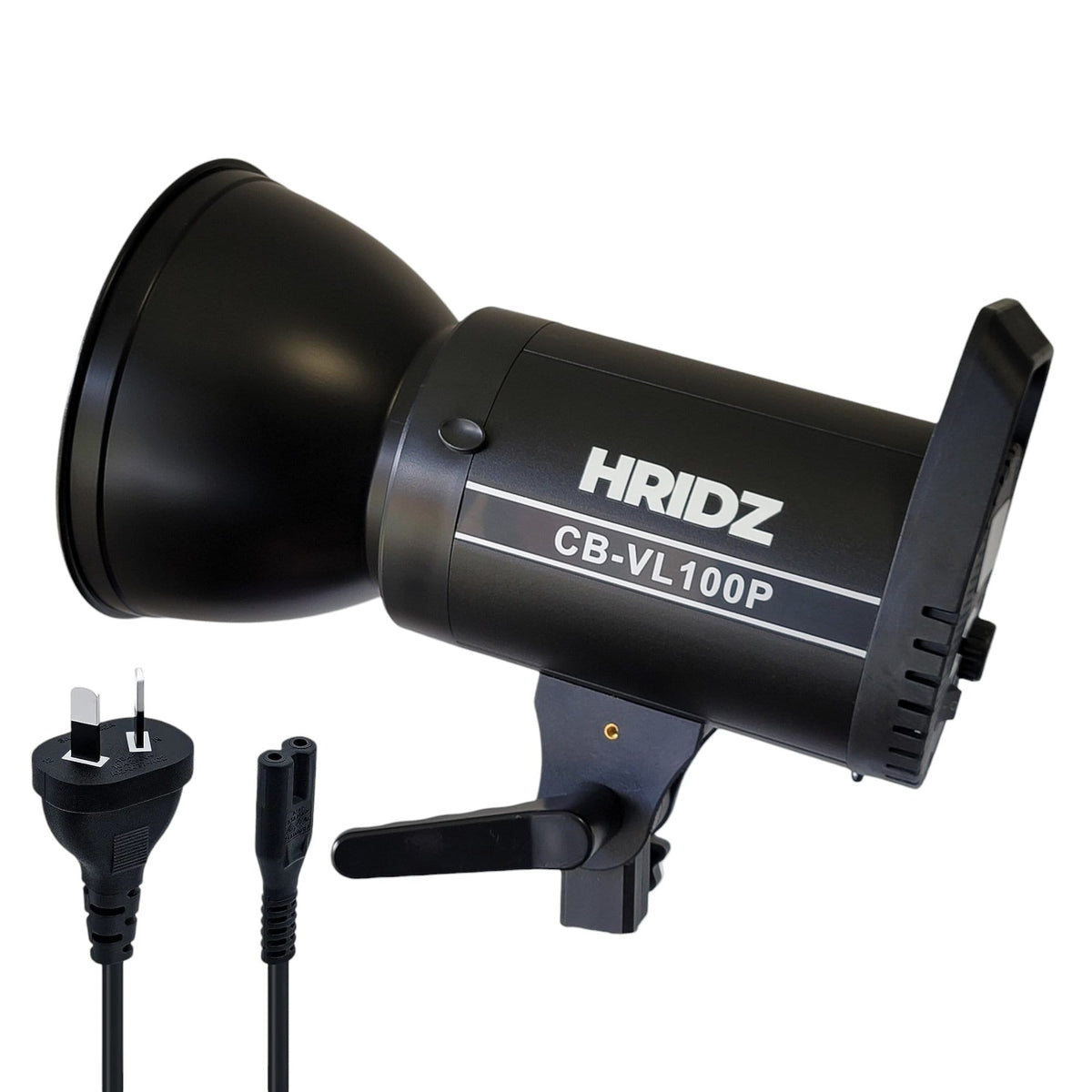
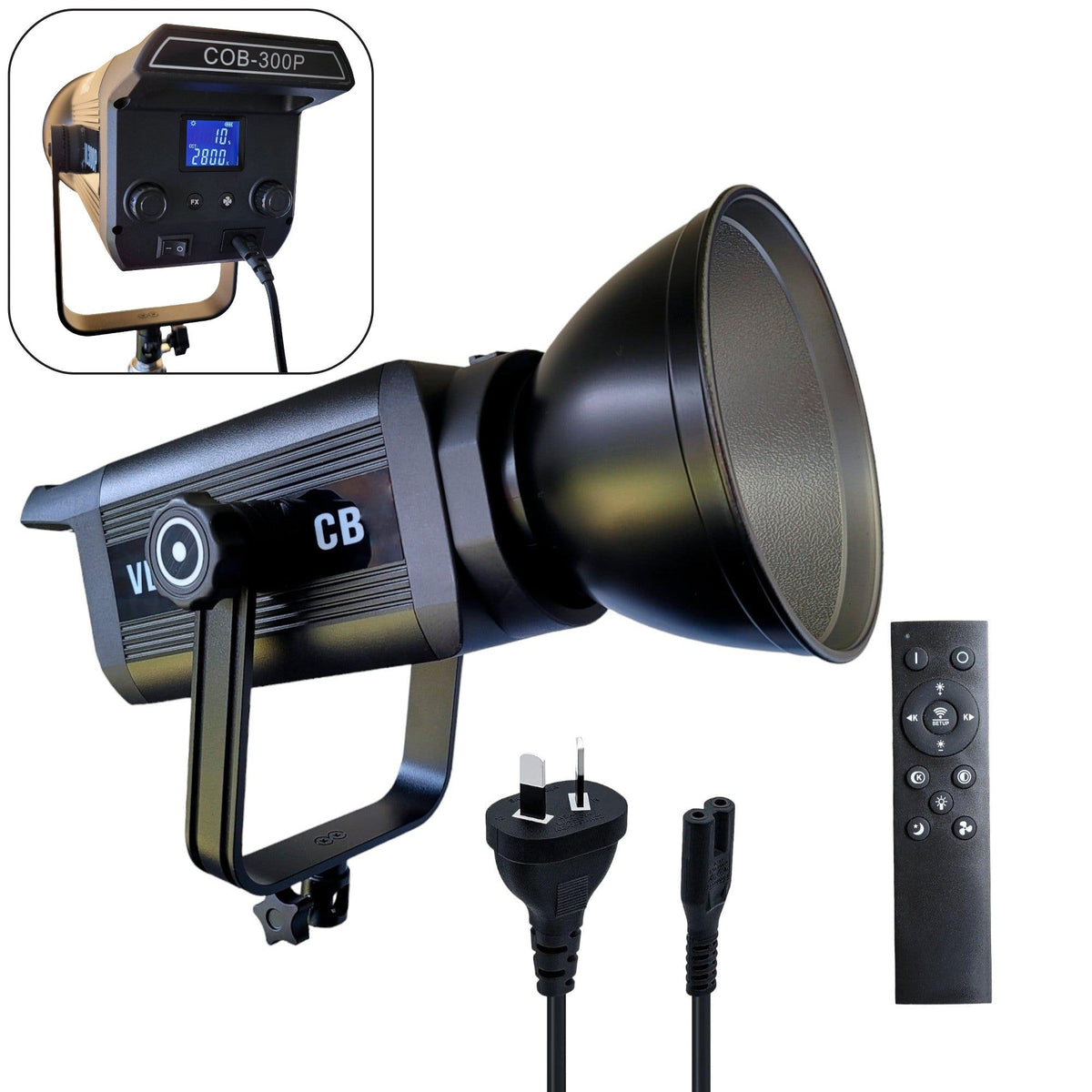
Modifier fabrics deteriorate over time, becoming brittle or developing tears that compromise light quality. Replace damaged diffusion materials promptly rather than tolerating degraded performance. Quality equipment from reputable suppliers like Hridz.com.au ensures access to replacement components and durable construction that withstands professional use.
Frequently Asked Questions About Portable Lighting
How Many Lights Do I Actually Need for Basic Setups?
Three lights provide comprehensive control for most scenarios, enabling classic three-point configurations. However, many professionals achieve excellent results with just two lights—key and fill—using reflectors or environmental surfaces as makeshift backlighting. Single-light setups combined with natural illumination work beautifully for documentary-style productions prioritizing authenticity over technical perfection.
What Color Temperature Should I Choose?
Bi-color lights offering adjustable temperature ranges between 3200K and 5600K provide maximum flexibility. Daylight-balanced 5600K settings match outdoor conditions and modern LED ambient lighting, while tungsten-balanced 3200K suits traditional incandescent environments. Variable temperature control eliminates the need for extensive gel collections and adapts instantly to changing conditions.
Can I Mix Different Light Types?
Mixing continuous LED lights with strobes presents synchronization challenges but remains feasible for still photography. Video work typically requires exclusively continuous sources. Combining different LED panel brands works satisfactorily provided color temperature and intensity match closely—subtle variations become glaringly obvious when units illuminate the same subject area simultaneously.
Optimizing Your Workflow
Develop a standardized packing list that ensures nothing gets forgotten during the pre-shoot preparation rush. Include not only primary lighting components but also often-overlooked accessories: spare bulbs, Allen keys for tightening loose screws, gaffer tape for cable management, and extension cords for locations with accessible AC power.
Organize your equipment transport system logically. Hard cases provide superior protection but add considerable weight and bulk. Padded bags offer reasonable protection with improved portability. Many professionals employ hybrid approaches—hard cases for delicate items like lights themselves, padded bags for stands and modifiers.
Practice setup procedures until they become muscle memory. Time yourself assembling a complete three-light configuration, then work to reduce that duration through improved efficiency rather than rushed carelessness. This preparation pays enormous dividends when working under pressure with clients observing or tight shooting schedules demanding rapid turnarounds between setups.
Conclusion
Mastering portable lighting setup transforms your capability to produce professional-quality content regardless of location constraints. The techniques outlined here provide foundational knowledge applicable across photography and videography disciplines. Remember that equipment quality directly impacts reliability and results—investing in dependable lights, sturdy stands, and versatile modifiers from trusted sources ensures your creative vision isn't compromised by technical failures at critical moments.
Whether you're a photographer capturing life's milestone moments, a videographer producing commercial content, or a content creator building your portfolio, proficiency with mobile illumination expands your professional capabilities dramatically. Start with fundamental three-point configurations, then progressively incorporate advanced techniques as your expertise develops. The investment in quality portable lighting equipment and the time devoted to mastering deployment techniques yield returns throughout your entire creative career.





Share:
8 Channel Audio Mixer Setup: Complete Beginner to Pro Guide
How to Use Audio Mixer: Essential Controls Explained Simply